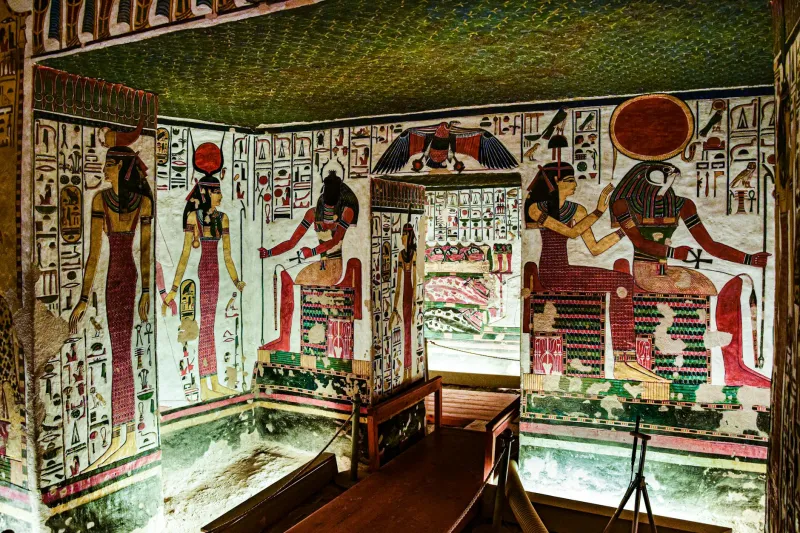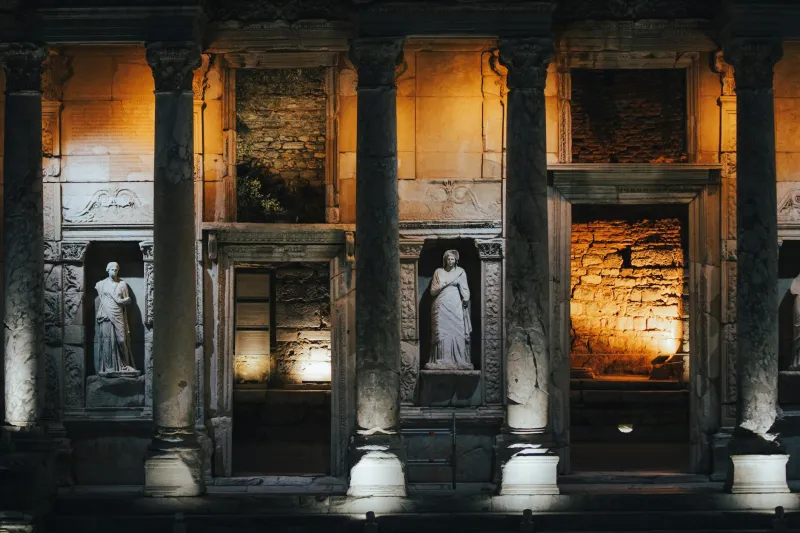
Every time someone posts about their 4 AM workout routine or brags about answering emails at midnight, they're following a script that's older than Christianity. The modern obsession with grinding, hustling, and optimizing every waking moment isn't some revolutionary mindset born from Silicon Valley ambition. It's the latest iteration of humanity's most enduring con job: convincing people that working themselves into the ground is actually a privilege.
The Romans Invented Performative Exhaustion
In ancient Rome, senators didn't just govern—they made sure everyone knew how hard they worked at it. Marcus Cato the Elder famously bragged about reviewing legal cases before dawn, managing his estates during the day, and studying Greek philosophy by lamplight. But here's the thing: Cato wasn't actually more productive than his peers. He was performing busyness as a political strategy.
Roman elites discovered that visible exhaustion served two purposes. First, it signaled dedication to the republic (or at least to personal advancement). Second, it kept potential rivals too drained to mount effective opposition. When everyone's competing to prove their commitment through sleep deprivation, nobody has the energy left to question whether the system actually works.
The Latin phrase "otium cum dignitate"—leisure with dignity—was literally a political slogan, but only for the ruling class. Everyone else got lectured about the virtue of constant labor. Sound familiar?
Chinese Bureaucrats Weaponized the All-Nighter
Meanwhile, in Han Dynasty China, imperial administrators turned the civil service exam system into an endurance test that would make modern med students weep. Candidates spent years memorizing classical texts, then sat for multi-day examinations that tested not just knowledge but physical stamina.
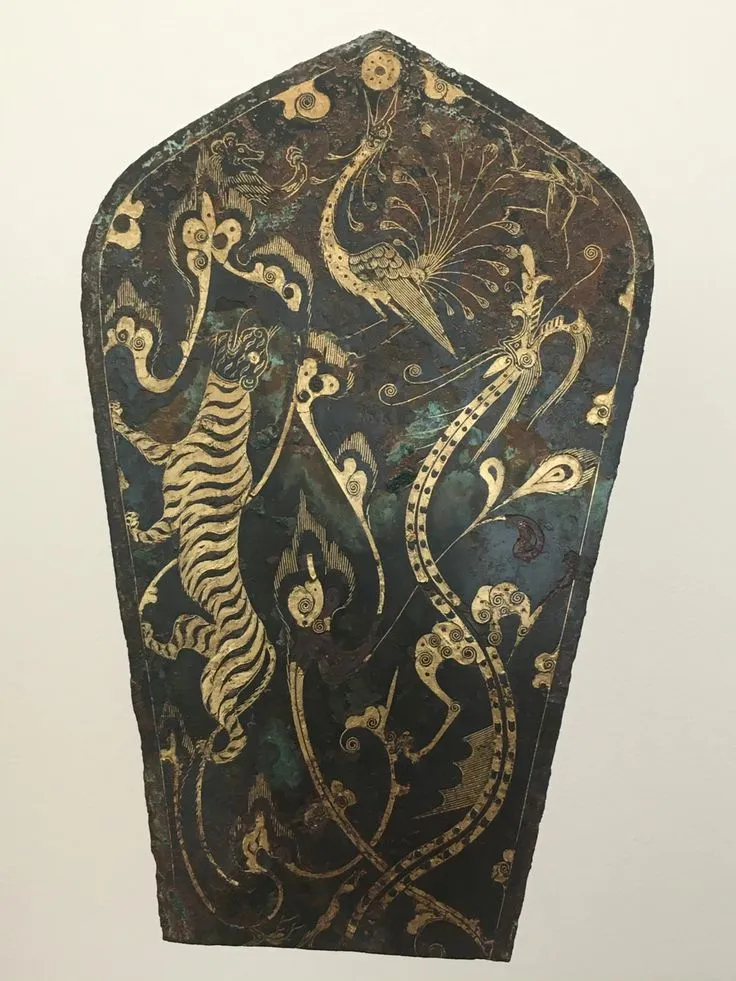 Photo: Han Dynasty China, via i.pinimg.com
The exams weren't designed to identify the smartest candidates—they were designed to identify the most compliant ones. Anyone willing to sacrifice their health, relationships, and sanity for a government job had already proven they'd do whatever the emperor demanded. The exhaustion was the point, not a side effect.
Chinese scholars wrote extensively about the nobility of scholarly suffering, creating a whole literary genre around the romance of academic grinding. These weren't productivity manuals—they were propaganda designed to make overwork feel heroic instead of exploitative.
Medieval Guilds Made Burnout Mandatory
Jump to medieval Europe, where craft guilds turned apprenticeship into a carefully orchestrated hazing ritual. Master craftsmen didn't just teach skills—they demanded that apprentices work punishing hours as proof of "dedication to the craft."
But guild records reveal the real motivation: exhausted apprentices were less likely to steal trade secrets, organize for better conditions, or start competing workshops. The seven-year apprenticeships weren't about mastering complex skills—most crafts could be learned in months. They were about breaking down independent thinking and replacing it with reflexive obedience.
Guild masters wrote extensively about the "character-building" nature of brutal work schedules, creating the first self-help literature around the virtue of suffering for your art. Every modern entrepreneur who talks about "paying dues" is channeling a medieval guild master.
The Puritan Work Ethic Was Actually About Social Control
America inherited this tradition through Puritan theology, which rebranded exhaustion as spiritual virtue. But even the Puritans understood they were selling a product. John Winthrop's famous "City upon a Hill" sermon wasn't just religious inspiration—it was a recruitment pitch for a colonial venture that needed people willing to work themselves to death in Massachusetts swamps.
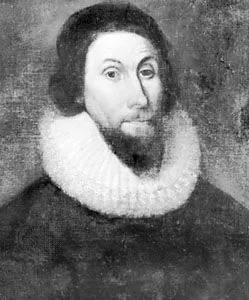 Photo: John Winthrop, via cdn.britannica.com
Puritan ministers preached that idle hands were the devil's workshop, but they conveniently exempted themselves from manual labor. The theology of work was always about getting other people to work harder, not about universal human dignity.
Why Exhaustion Makes Perfect Sense as a Control Strategy
Here's what every historical ruling class figured out: tired people don't revolt. They don't organize unions, start competing businesses, or question authority. They just want to collapse into bed and maybe catch up on sleep over the weekend.
Modern neuroscience confirms what ancient elites intuited: chronic exhaustion impairs decision-making, reduces creativity, and makes people more susceptible to authority. A sleep-deprived population is a compliant population.
The genius of hustle culture is that it makes this exploitation feel voluntary. Instead of forcing people to work crushing hours, you convince them that crushing hours are the secret to success. Then you sell them productivity apps, motivational books, and optimization courses to help them grind more efficiently.
The Same Playbook, Different Players
Today's tech CEOs didn't invent the idea of turning overwork into a virtue—they just updated the marketing. When Elon Musk tweets about sleeping on the factory floor, he's performing the same status ritual that Roman senators perfected 2,000 years ago. When LinkedIn influencers post about their 5 AM routines, they're following a script written by Chinese imperial bureaucrats.
The hustle culture isn't broken—it's working exactly as designed. It was never about productivity or achievement. It was always about keeping people too exhausted to realize they're being played.
Every generation rediscovers this con and thinks they invented it. But human psychology hasn't changed in 5,000 years. We're still the same species that can be convinced that suffering is success, as long as the right people are doing the convincing.
The next time someone tries to sell you on the virtue of grinding yourself into dust, remember: you're not hearing revolutionary wisdom. You're hearing the oldest management trick in the book.