When Necessity Wore a Crown
In 1453, Constantinople fell to the Ottomans, and Venetian spice merchants watching their primary trade route vanish had two choices: reinvent themselves or go bankrupt. They chose reinvention, transforming into Europe's premier banking houses almost overnight.
Business schools love this story. They call it "strategic diversification" and "adaptive leadership." What they don't mention is that these merchants weren't visionaries—they were terrified people with bills to pay and no other options.
The Medici family's rise to banking dominance? Started when their textile business faced crushing competition from English wool. The Dutch East India Company's pivot from simple trading to colonial administration? Happened when Portuguese competitors threatened to destroy their spice monopoly.
History's greatest business transformations weren't the result of boardroom brainstorming sessions. They were survival responses by people who had run out of alternatives.
The Ming Dynasty's Military-Industrial Complex
China's Ming Dynasty offers perhaps the most dramatic example of panic-driven pivoting. During the 14th century, Chinese trading companies had built enormous wealth moving silk, porcelain, and tea along established routes. Then the political winds shifted.
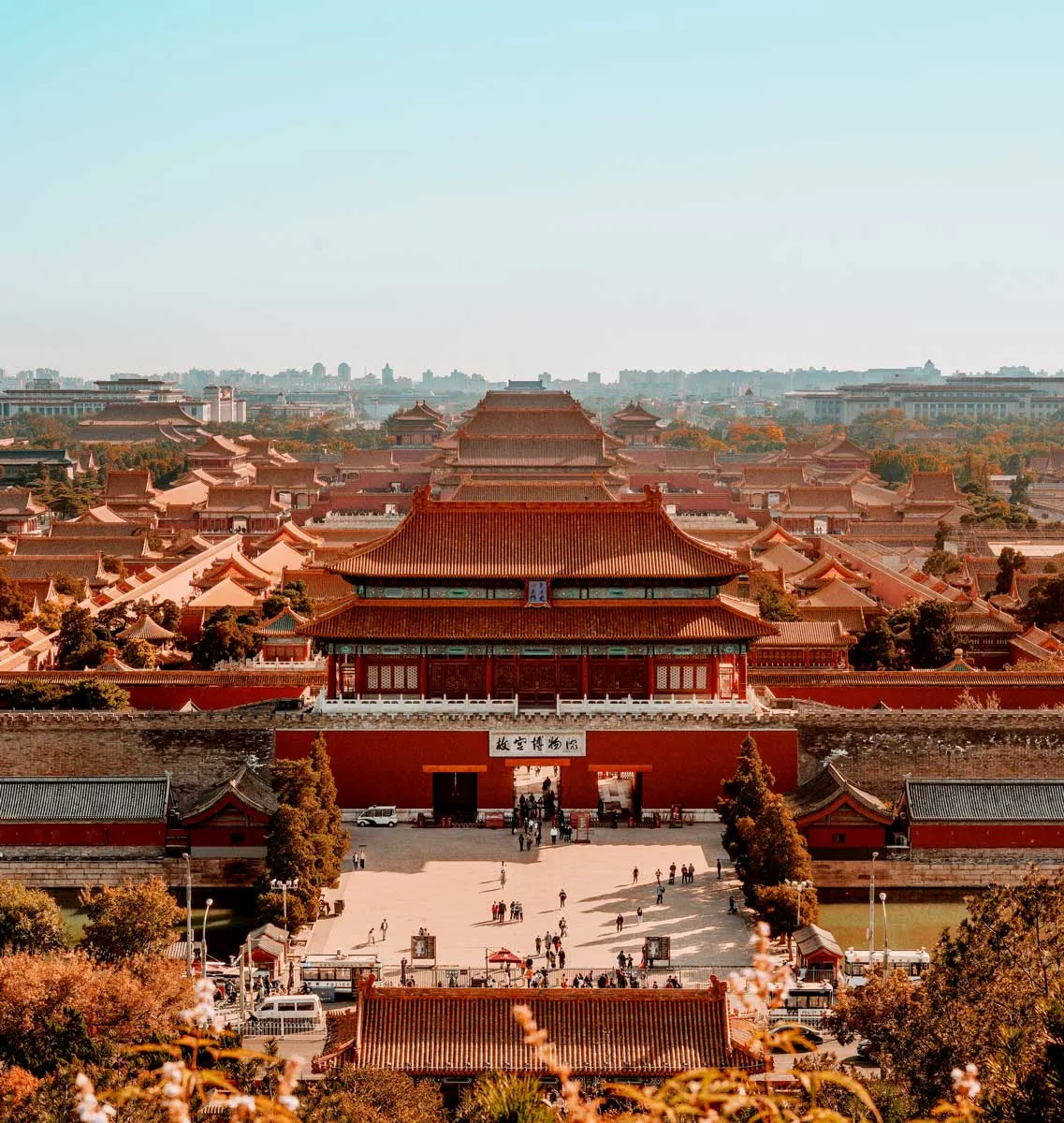 Photo: Ming Dynasty, via cdn.thecollector.com
New imperial policies restricted private trade. Mongol raids disrupted northern routes. Competition from Southeast Asian producers cut into profit margins. Suddenly, China's merchant class faced potential extinction.
Their response? A wholesale pivot into military contracting. The same companies that had specialized in luxury goods retooled to produce weapons, armor, and military supplies for the imperial army. Within a generation, former silk merchants had become the backbone of China's defense industry.
This wasn't strategic planning. It was economic desperation channeled into the only growing market available: warfare.
The Accidental Innovation Engine
Panic, it turns out, is one of humanity's most reliable sources of innovation. When comfortable options disappear, people discover capabilities they never knew they had.
Consider the Roman Republic's transformation from a regional Italian city-state to a Mediterranean empire. This wasn't the result of grand imperial ambition—it was a series of defensive responses to existential threats.
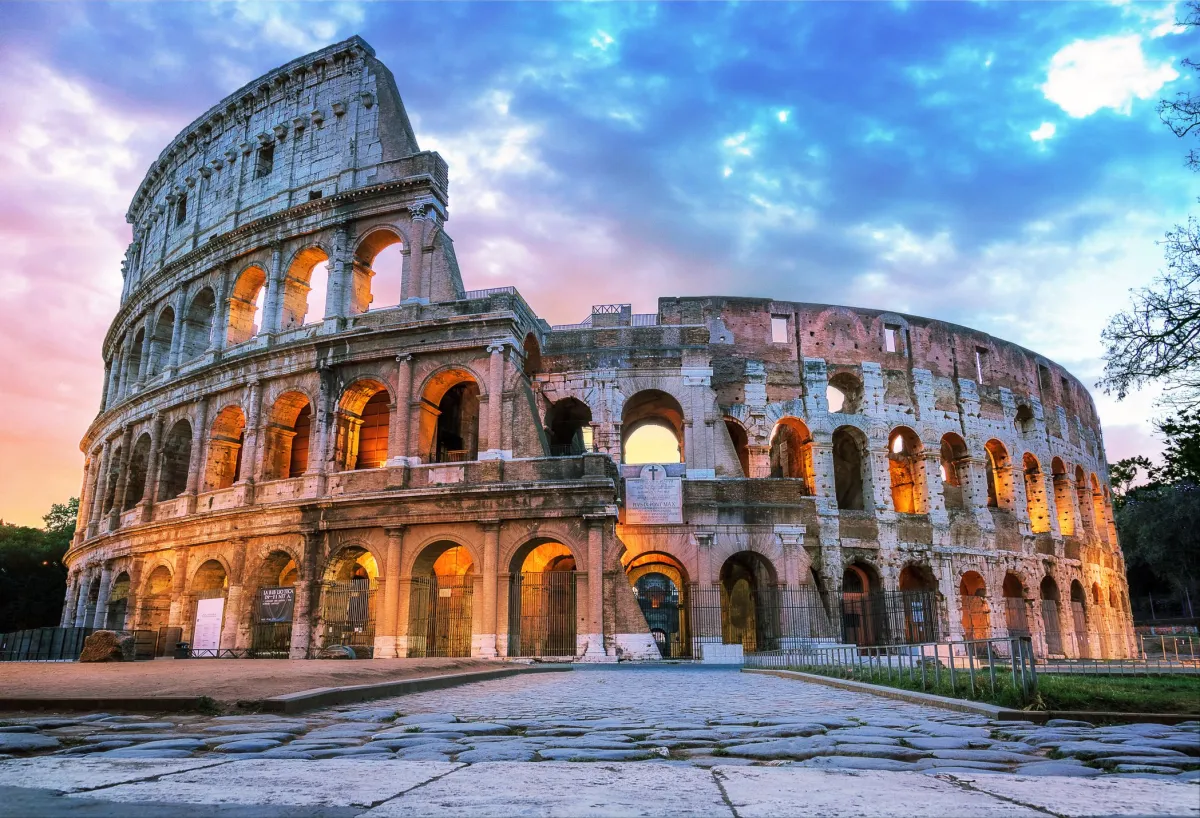 Photo: Roman Republic, via www.thoughtco.com
Hannibal's invasion forced Romans to innovate military logistics on a scale never before attempted. Piracy in the Mediterranean compelled them to build a navy from scratch. Each crisis demanded capabilities they didn't possess, forcing rapid adaptation or annihilation.
What we now call "Roman imperial strategy" was really a sequence of desperate improvisations that somehow worked.
The Reinvention Mythology
Modern business culture has created elaborate mythologies around corporate pivots. We celebrate CEOs who "had the vision" to transform their companies, as if transformation was a choice rather than a necessity.
Take IBM's famous shift from hardware to services in the 1990s. Business magazines praised CEO Lou Gerstner's "bold strategic vision." The reality was simpler: IBM was hemorrhaging money, losing market share to cheaper competitors, and facing potential bankruptcy. The pivot to services wasn't visionary—it was the only path to survival.
Similarly, Netflix's evolution from DVD-by-mail to streaming wasn't prescient leadership. It was a response to the obvious threat that digital delivery posed to physical media. Reed Hastings didn't foresee the future—he saw his business model dying and scrambled to find a replacement.
The Pattern Across Centuries
Look at any era's most celebrated business transformations, and you'll find the same pattern:
- A company or industry faces an existential threat
- Traditional solutions prove inadequate
- Desperate experimentation begins
- Some experiments work, most don't
- Survivors get celebrated as visionaries
The Dutch Republic's 17th-century golden age? Built on merchants fleeing Spanish persecution who had no choice but to innovate new forms of commerce and finance. England's Industrial Revolution? Driven partly by wood shortages that forced experimentation with coal-powered manufacturing.
Even America's tech boom follows this pattern. Many Silicon Valley success stories began as companies that had failed at something else entirely. Twitter started as a podcasting platform. Instagram began as a location-based check-in app. Slack was originally an internal communication tool for a failed gaming company.
The Productive Power of Desperation
This isn't to diminish these achievements. Panic-driven innovation is still innovation. The ability to adapt under pressure is a legitimate form of intelligence. But recognizing the role of desperation helps us understand why transformation is so difficult to plan and so impossible to predict.
People don't reinvent themselves when they're comfortable. They reinvent themselves when they have no choice. The most successful pivots in history weren't the result of strategic planning—they were the result of strategic panic.
This has profound implications for how we think about change, both personal and organizational. Waiting for the perfect moment to transform usually means waiting too long. By the time transformation feels necessary, it's often already too late.
The Modern Pivot Industrial Complex
Today's startup culture has industrialized the pivot, turning it into a planned strategy rather than a desperate response. "Fail fast," "iterate quickly," "embrace disruption"—these mantras try to manufacture the urgency that historically drove real transformation.
But manufactured urgency isn't the same as actual desperation. When failure is subsidized by venture capital, the pressure to adapt never reaches the intensity that historically drove breakthrough innovations.
This might explain why so many modern "pivots" are cosmetic rather than fundamental. When you have a safety net, you don't jump as far.
Embracing the Panic
History's lesson isn't that we should seek out crisis—it's that we should recognize panic as a legitimate creative force. The next time you find yourself scrambling to adapt to changing circumstances, remember that you're participating in humanity's oldest form of innovation.
Those feelings of uncertainty, desperation, and frantic experimentation? They're not signs of failure—they're signs that you're doing what humans have always done when faced with existential challenges: figuring out how to survive by becoming something new.
The greatest transformations in human history weren't planned. They were panicked. And that's exactly why they worked.