Swearing Allegiance Never Stopped Anyone From Switching Sides

Every year, millions of American workers sign employment agreements that include loyalty clauses, non-compete provisions, and arbitration requirements that essentially ask them to pledge their professional lives to their employer. Every year, those same employers act surprised when people quit for better opportunities, leak information to competitors, or sue them anyway.
This cycle of demanding loyalty and being disappointed by its absence isn't new. It's not even modern. Humans have been trying to solve the trust problem with formal oaths for at least 4,000 years, and the results have been consistently underwhelming.
The Original Loyalty Program
In ancient Mesopotamia, around 2000 BCE, kings figured out that armies work better when soldiers promise not to run away. So they invented the military oath—elaborate ceremonies where warriors would swear by their gods to fight to the death for their ruler. The psychological logic was sound: make the promise public, make it sacred, and make breaking it unthinkable.
Except people kept thinking about it anyway.
Mesopotamian military records are full of accounts of oath-sworn soldiers defecting to enemy armies, sometimes mid-battle. Turns out that when someone offers you better pay, better treatment, or just a better chance of surviving the next six months, divine punishment starts to seem like a manageable risk.
The pattern was set early: formal loyalty oaths work great on paper and poorly in practice. But instead of learning this lesson, every subsequent civilization decided they could do it better.
Roman Refinements
The Romans, being Romans, tried to solve the loyalty problem through bureaucracy and legal innovation. They created increasingly elaborate oath systems—military sacramentum, civic loyalty pledges, and eventually the devotio ritual where generals would literally offer their lives to the gods in exchange for victory.
The Roman military oath was particularly sophisticated. New legionnaires didn't just promise to obey orders; they swore to value the eagle standard above their own lives, to never abandon their posts, and to consider their fellow soldiers as brothers. It was backed by religious authority, military discipline, and social pressure.
And yet, Roman history is essentially a 500-year case study in loyalty oaths failing at crucial moments. Julius Caesar crossed the Rubicon with legions who had sworn loyalty to the Republic. Augustus rose to power after his supporters broke their oaths to the Senate. The entire imperial system was built on a foundation of systematically violated loyalty pledges.
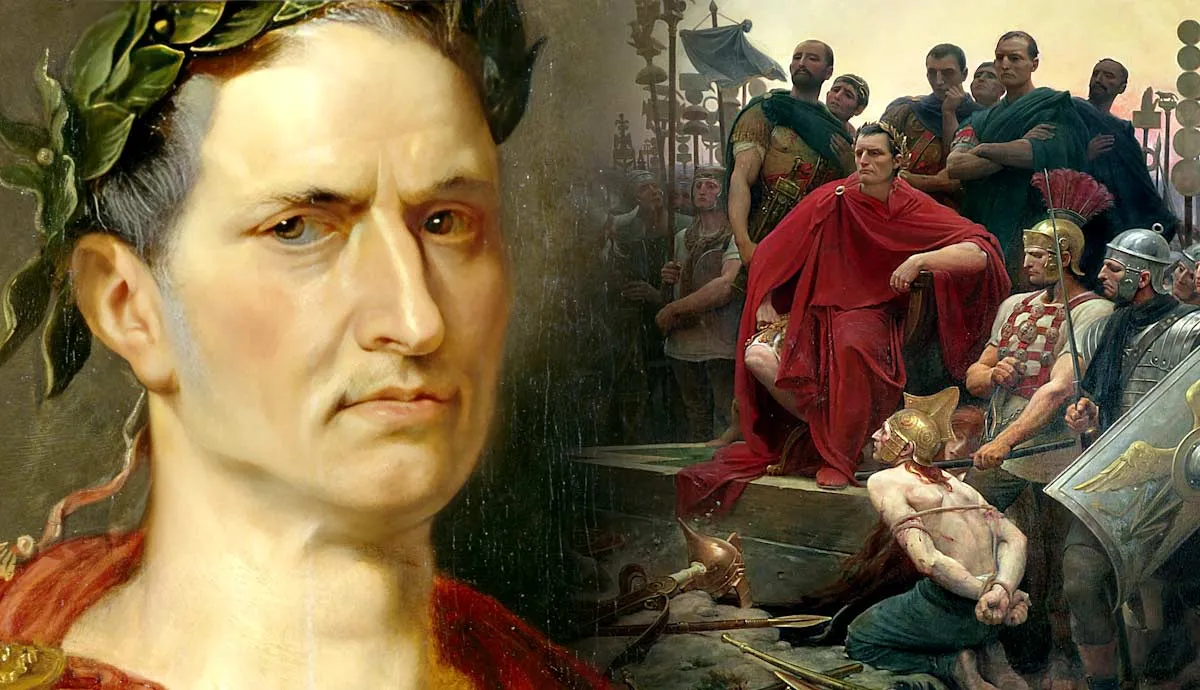 Photo: Julius Caesar, via cdn.thecollector.com
The Romans kept doubling down on oath-making because the alternative—actually earning loyalty through competent leadership and fair treatment—was apparently too complicated.
Medieval Loyalty Theater
Feudalismwas basically an entire economic system built around loyalty oaths. Lords and vassals, knights and peasants, everyone swearing fealty to someone higher up the chain. The ceremony was elaborate: kneeling, placing hands between the lord's hands, reciting ancient formulas. It looked incredibly binding.
It wasn't.
Medieval chronicles are packed with stories of knights switching sides, vassals rebelling against their lords, and entire regions changing allegiance based on whoever was winning the current war. The Hundred Years' War saw French nobles swearing loyalty to English kings and English lords defecting to French causes with such regularity that keeping track of who owed what to whom became a full-time job for medieval bureaucrats.
The most telling detail: medieval loyalty oaths included explicit escape clauses. You could break your pledge if your lord broke his obligations to you first. Even in a system designed around personal loyalty, the contracts acknowledged that people would eventually want out.
The Corporate Translation
Modern employment loyalty programs are medieval feudalism with better marketing. Instead of swearing fealty to a lord, you sign a contract promising to advance company interests above your own. Instead of a ceremony involving swords and religious oaths, you get an employee handbook and a mandatory orientation session.
The psychology is identical: create formal, public commitment to make switching sides psychologically and economically costly. Make people feel like they're part of something bigger than themselves. Use social pressure and financial incentives to reinforce the bond.
And just like every historical precedent, it works until it doesn't.
Why Loyalty Pledges Always Fail
The fundamental problem with loyalty oaths hasn't changed in 4,000 years: they try to solve a relationship problem with a legal solution. Loyalty isn't something you can contract for—it's something you earn through consistent behavior over time.
Every era makes the same mistake. They assume that formal commitment creates actual commitment, when the reverse is usually true. People who need to be forced to pledge loyalty are probably the ones most likely to break those pledges when circumstances change.
The historical record is clear: loyalty oaths work best when they're least needed. Roman legions that were well-fed, well-paid, and competently led rarely broke their oaths. Medieval vassals who trusted their lords and benefited from the relationship stayed loyal even when offered better deals elsewhere. Modern employees who feel valued and fairly treated don't typically jump ship at the first opportunity.
The oath itself is just ceremony. The real loyalty comes from everything that happens after the ceremony ends.
When Loyalty Actually Works
Interestingly, history's most successful loyalty relationships usually involved the least formal oath-making. Alexander the Great's companions, who followed him to the ends of the known world, weren't bound by elaborate legal contracts—they were bound by shared experience and mutual benefit. Viking war bands, despite their reputation for chaos, showed remarkable loyalty to leaders who consistently delivered victory and plunder.
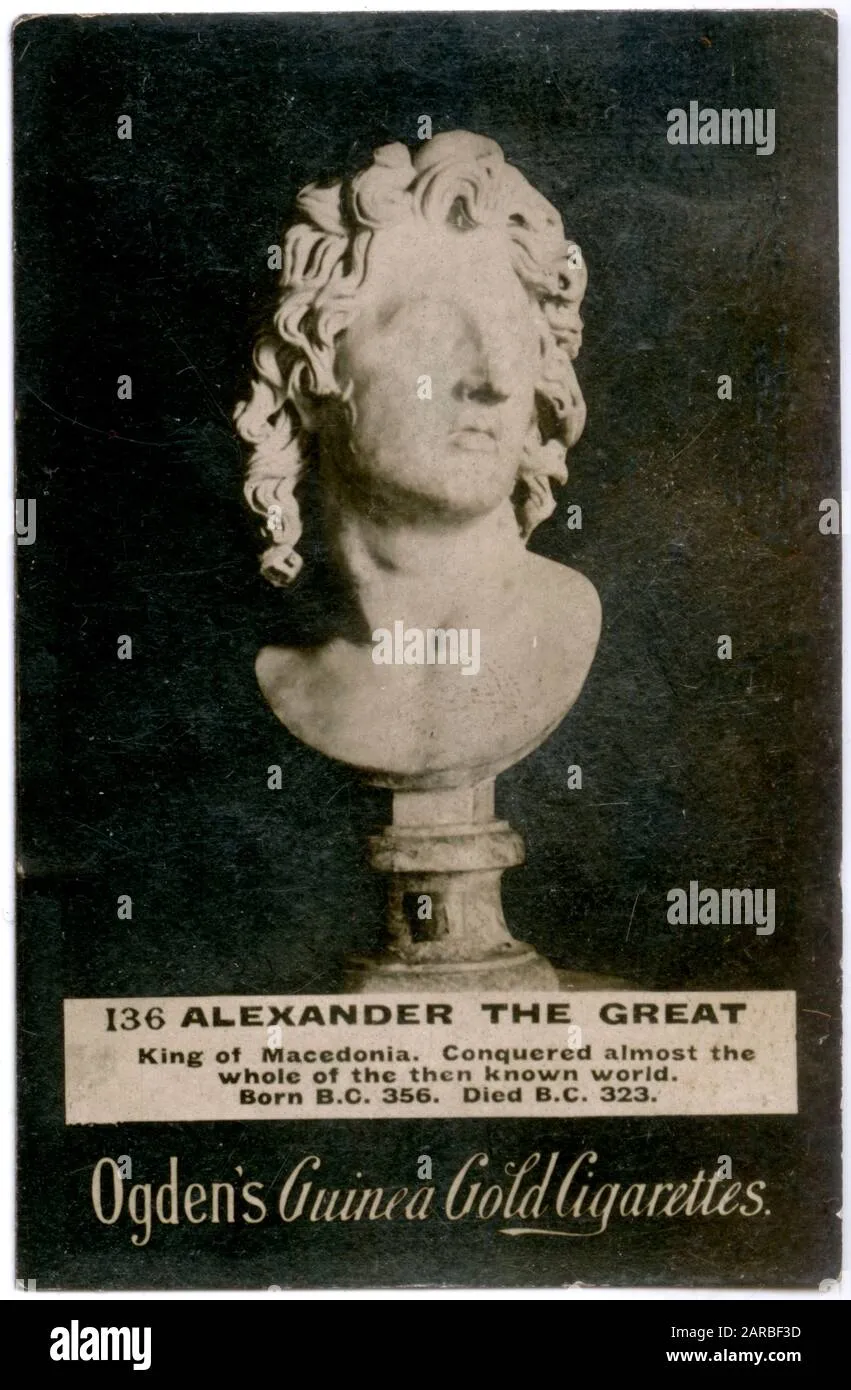 Photo: Alexander the Great, via c8.alamy.com
The pattern holds in modern business too. Companies with genuinely loyal workforces—the kind where people turn down better offers to stay—typically spend less time on formal loyalty programs and more time on creating conditions where loyalty makes practical sense.
The American Innovation
The United States added its own twist to the ancient loyalty oath tradition: at-will employment combined with non-compete clauses. It's a uniquely American approach—we'll fire you whenever we want, but you can't work for our competitors if we do.
This system produces exactly the kind of loyalty you'd expect: none whatsoever. American workers change jobs more frequently than workers in almost any other developed country, despite (or perhaps because of) increasingly aggressive contractual attempts to prevent them from doing so.
We've managed to create the worst of both worlds: all the economic restrictions of feudal loyalty oaths with none of the reciprocal obligations that made feudalism occasionally functional.
The Eternal Cycle
The loyalty oath will never die because it solves the wrong problem in a psychologically satisfying way. Instead of building organizations worth being loyal to, it's much easier to just make people promise they'll be loyal anyway.
Every generation of leaders discovers loyalty oaths, implements them with great fanfare, and then acts shocked when they don't prevent the exact betrayals they were designed to prevent. The cycle repeats because the alternative—earning loyalty through competence and fairness—requires more work and provides less immediate psychological satisfaction than a formal ceremony where people promise to never leave you.
Four thousand years of evidence suggests that if you need someone to swear they'll be loyal to you, they probably won't be. But we keep asking anyway, because hope springs eternal and human psychology hasn't changed since the first Mesopotamian king made his first disappointed discovery that oaths are just words.
The real lesson isn't that loyalty oaths don't work. It's that organizations that rely on them are usually not worth being loyal to in the first place.