Every few decades, a new generation discovers that everything around them feels fake, manufactured, or inauthentic. They demand something real, something genuine, something that connects them to deeper truths about human existence. And within about five minutes, someone starts selling them exactly what they're looking for—at a premium price, naturally.
This isn't a modern phenomenon. It's not even a post-industrial phenomenon. The authenticity economy is one of humanity's oldest and most reliable business models, and it works the same way every single time: the more desperately people want something real, the more profitable it becomes to manufacture realness at scale.
The Stoics Invented the Self-Help Industry
Around 300 BC, Athens was full of people complaining that traditional religion felt hollow, that politics was corrupt, and that society had lost touch with authentic virtue. Sound familiar? Enter the Stoics, who promised to teach people how to live according to nature and find genuine wisdom in an artificial world.
Epictetus, Seneca, and Marcus Aurelius weren't just philosophers—they were lifestyle brand pioneers. They wrote books, gave lectures, and attracted wealthy students who paid handsomely for authentic wisdom. Seneca, in particular, perfected the art of selling simplicity to rich people, writing extensively about the virtue of poverty while maintaining multiple luxury estates.
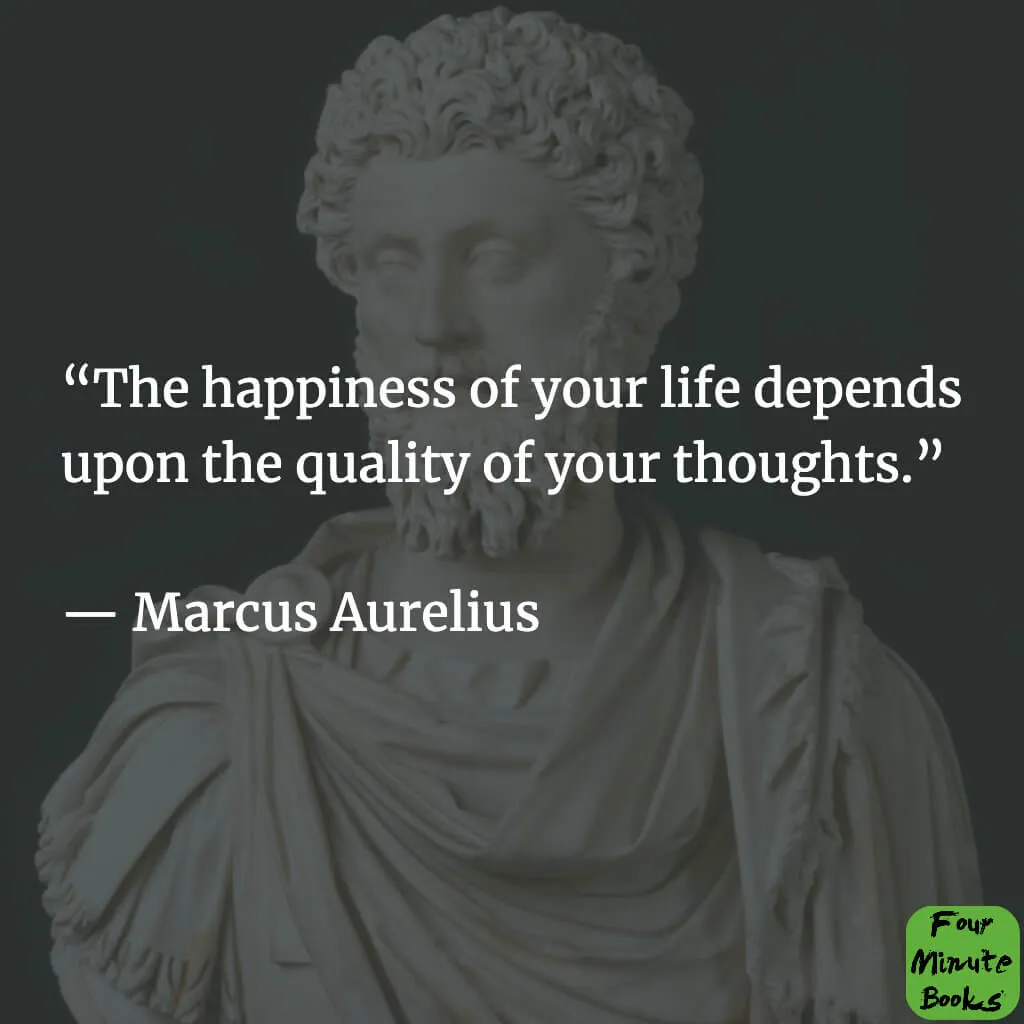 Photo: Marcus Aurelius, via fourminutebooks.com
The Stoics weren't frauds—they genuinely believed in their philosophy. But they also understood that packaging authenticity as a product was incredibly profitable. They created the template that every modern guru follows: identify what people think they're missing, promise to provide the real version, and charge accordingly.
Roman elites lined up to pay for Stoic instruction not because it made them more virtuous, but because it made them feel more virtuous. The philosophy became a status symbol, a way to signal depth and authenticity to peers who were equally concerned about appearing shallow.
Medieval Mystics Monetized Spiritual Experience
Jump to medieval Europe, where the Catholic Church's increasing wealth and political power left many believers feeling disconnected from genuine spiritual experience. Enter the mystics, who promised direct, unmediated connection to the divine—for the right price.
Meister Eckhart, Hildegard of Bingen, and other mystical teachers attracted followers by criticizing the Church's materialism while simultaneously building their own religious enterprises. They wrote books, established schools, and created networks of paying students who sought authentic spiritual experience.
 Photo: Hildegard of Bingen, via static.freundin.de
The irony was perfect: people paid money to learn how to transcend material concerns. Mystical teachers sold courses on achieving divine union while building very earthly reputations and income streams. The more they criticized commercialized religion, the more valuable their alternative became.
Medieval records show that mystical instruction became a luxury service, available primarily to wealthy merchants and nobles who could afford private spiritual guidance. Authenticity, once again, was a product for people who could pay for it.
The Romantics Turned Suffering Into a Brand
Fast-forward to the 18th and 19th centuries, when the Industrial Revolution left people feeling alienated from nature, tradition, and authentic human experience. The Romantic movement promised to restore genuine feeling and natural beauty to a mechanized world.
But here's what happened: Romantic poets and artists immediately turned their rejection of commercialism into a commercial aesthetic. Byron cultivated his image as a tortured genius through carefully orchestrated publicity campaigns. Wordsworth wrote about the simple life while charging substantial fees for his poetry and living quite comfortably.
The Romantics created the template for every modern authenticity brand: position yourself as the antidote to mass culture, emphasize your connection to something pure and natural, and market your authenticity to people who feel disconnected from authentic experience.
Romantic poetry became a consumer product, sold to middle-class readers who wanted to feel more connected to nature and genuine emotion. Publishers marketed collections with titles like "Authentic Songs of the Heart" and "Genuine Expressions of Natural Feeling." The more artificial the packaging, the more authentic the content claimed to be.
The Arts and Crafts Movement Industrialized Handmade
By the late 1800s, mass production had made people nostalgic for handcrafted goods and traditional craftsmanship. The Arts and Crafts movement promised to restore authentic making to an industrial world.
William Morris and his followers positioned themselves as the antidote to factory-made goods, emphasizing traditional techniques and natural materials. But they quickly discovered that handmade authenticity was incredibly expensive to produce and even more expensive to buy.
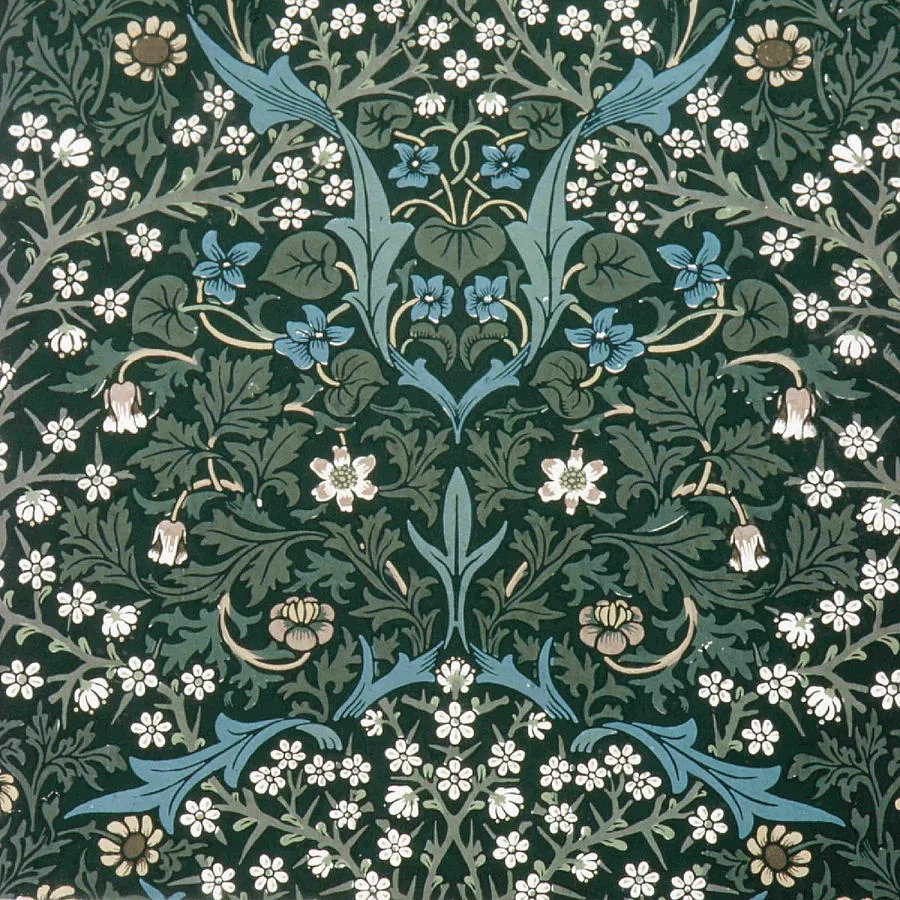 Photo: William Morris, via 64.media.tumblr.com
Arts and Crafts workshops became luxury manufacturers, producing "authentic" goods for wealthy clients who could afford to buy their way out of mass culture. The movement's emphasis on traditional craftsmanship became a premium brand positioning, not a genuine return to pre-industrial production.
The most successful Arts and Crafts companies were the ones that figured out how to mass-produce the appearance of handmade authenticity. They developed techniques for making machine-made goods look handcrafted, creating the first "artisanal" aesthetic that could be manufactured at scale.
Counterculture Became the Culture Industry
The 1960s counterculture promised to reject materialism and commercialism in favor of authentic experience and genuine community. Within a decade, counterculture aesthetics had become mainstream marketing strategies.
Record companies signed folk singers who sang about rejecting the music industry. Fashion designers created "authentic" hippie clothing for suburban teenagers. Advertisers used countercultural imagery to sell everything from cars to cigarettes.
The counterculture's emphasis on authenticity became the foundation for modern lifestyle marketing. Companies learned to sell rebellion, individualism, and authenticity as consumer products. The more genuinely anti-commercial a movement claimed to be, the more valuable its aesthetic became to marketers.
Modern Authenticity Brands Follow Ancient Formulas
Today's authenticity economy operates on exactly the same principles that Stoic philosophers and Romantic poets perfected centuries ago:
Step 1: Identify what people think contemporary culture is missing (usually something like community, meaning, craftsmanship, or natural living).
Step 2: Position yourself as providing the authentic version of whatever's missing.
Step 3: Package that authenticity as a premium product or experience.
Step 4: Market to people who can afford to buy their way out of inauthenticity.
Modern examples are everywhere. Whole Foods sells "authentic" food to people who feel disconnected from natural eating. Patagonia sells "authentic" outdoor experiences to people who feel alienated from nature. Artisanal coffee shops sell "authentic" community to people who feel isolated in urban environments.
Each of these brands succeeds by manufacturing scarcity around things that used to be common: good food, natural environments, local community. They create premium versions of basic human experiences and market them to people who feel those experiences have been corrupted by mass culture.
Why the Pattern Never Changes
The authenticity industry works because it exploits a fundamental feature of human psychology: we always feel like we're living in uniquely artificial times. Every generation looks around, sees mass-produced culture and commercial manipulation, and concludes that they've lost touch with something essential that previous generations possessed.
But historical records show that people in every era felt exactly the same way. Medieval peasants complained that courtly culture was artificial. Roman citizens worried that Greek philosophy was corrupting traditional values. Ancient Greeks criticized Athenian democracy for being too commercial and political.
The feeling of lost authenticity isn't a symptom of modern life—it's a constant feature of human experience. And wherever there's a persistent feeling that something important is missing, there's a market opportunity for someone willing to sell the missing thing back to you.
The authenticity industry doesn't actually restore genuine experience. It just creates new forms of commercial authenticity that feel real until the next generation comes along and rejects them as artificial. Then the cycle starts over, with new entrepreneurs selling new versions of the same eternal promise: this time, we'll give you the real thing.
Human psychology hasn't changed in 5,000 years. We're still the same species that can be convinced to pay premium prices for experiences that feel more genuine than the experiences we're already having. The technology changes, but the fundamental business model remains exactly the same: package authenticity, mark it up, and sell it to people who feel inauthentic.