Death by a Thousand Cuts: Why Your Money Has Been Disappearing in Tiny Pieces for 2,000 Years
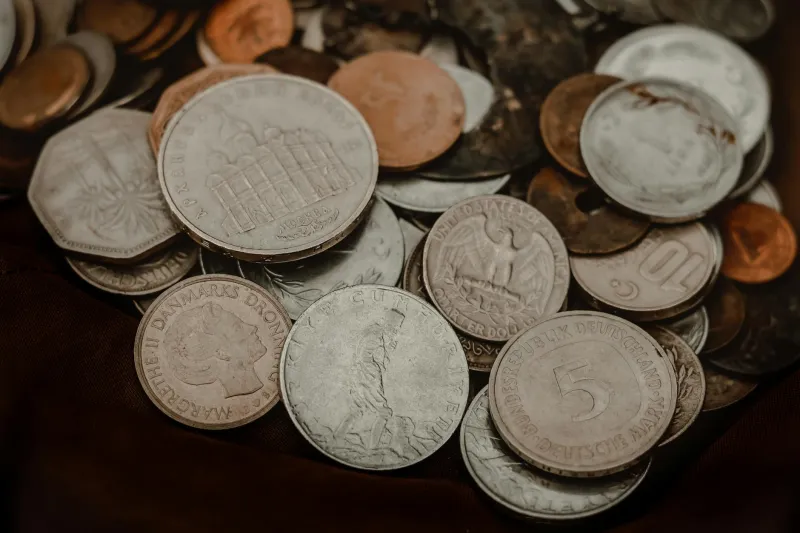
That bag of Doritos that somehow got smaller while costing more? Your ancestors dealt with the exact same scam, except instead of chip companies quietly reducing bag sizes, Roman emperors were quietly reducing the silver content in their coins. The psychology is identical: steal from people so gradually that they don't notice until it's too late to complain.
The Romans called it currency debasement. We call it shrinkflation. Both work because humans are terrible at noticing incremental changes, and both prove that the people in charge have always known exactly how to exploit this blind spot.
The Great Silver Heist Nobody Noticed
In 64 AD, Emperor Nero's denarius contained about 98% silver. By 270 AD, the denarius was basically a bronze coin with a silver coating so thin you could scrape it off with your fingernail. The silver content had dropped to roughly 5%.
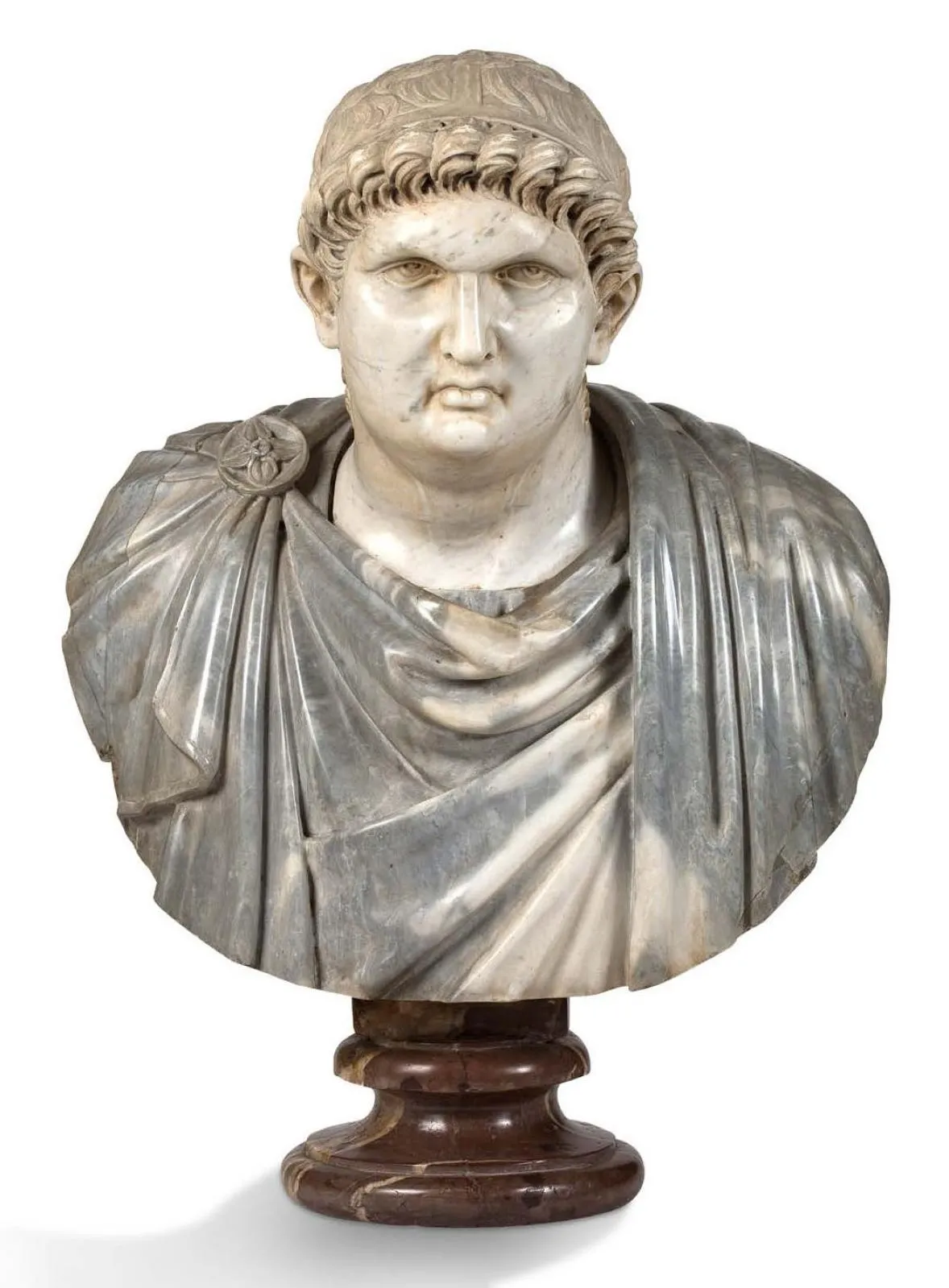 Photo: Emperor Nero, via media.mutualart.com
This didn't happen overnight. Each emperor reduced the silver content by just a little bit — maybe 2% here, 3% there. Individual citizens couldn't tell the difference between this year's coins and last year's coins. The change was too small to notice in daily transactions.
But compound that tiny theft over two centuries, and you've essentially stolen 95% of everyone's money without a single person being able to point to the exact moment when they got robbed.
Sound familiar? Your "family size" bag of chips used to be 16 ounces. Then 15.5. Then 15. Then 14.5. Now it's 13 ounces and costs more than the original 16-ounce bag did. Same psychological exploit, different product.
Why Nobody Complained (Until It Was Too Late)
Romans weren't stupid. They eventually figured out what was happening. But by then, the system had been running for generations. Complaining about currency debasement was like complaining about the weather — technically valid, but practically useless.
Plus, each individual reduction was small enough to explain away. "Economic pressures from the Germanic tribes required fiscal adjustments." "Increased military spending necessitated monetary efficiency measures." "Supply chain disruptions in Spanish silver mines created temporary shortages."
 Photo: Germanic tribes, via nordicperspective.com
Every excuse sounded reasonable in isolation. It's only when you looked at the 200-year trend that the systematic theft became obvious.
Modern shrinkflation works exactly the same way. Each reduction comes with a perfectly reasonable explanation: "Rising commodity costs," "Supply chain pressures," "Packaging efficiency improvements." The individual excuse always sounds legitimate. It's only when you realize that prices never go back down when those pressures ease that you start to see the pattern.
The Genius of Incremental Theft
The Romans discovered something that behavioral economists wouldn't formally document for another 2,000 years: humans have a terrible threshold for noticing gradual change. We're wired to spot sudden threats, not slow erosion.
If Emperor Nero had announced "I'm cutting the silver content of the denarius from 98% to 50% effective immediately," there would have been riots. But reduce it by 2% every few years? Nobody notices until it's too late to do anything about it.
This is why your cable bill never jumps from $50 to $120 in one month. It goes from $50 to $52, then $55, then $58, then $62. By the time you're paying $120, you can't remember when it started or identify the specific moment when you should have canceled.
The Modern Masters of the Ancient Art
Today's consumer goods companies have turned Roman currency debasement into a science. They have focus groups and market research to determine exactly how much they can shrink a product before customers notice. They've calculated the precise threshold where your brain stops registering the change.
Cereal boxes got taller and narrower so they'd look the same size on the shelf while containing less cereal. Ice cream containers developed deeper bottom curves to hide volume reduction. Toilet paper rolls got narrower while maintaining the same diameter.
It's the same incremental theft the Romans perfected, just applied to consumer goods instead of currency. And it works for the same reason: humans are psychologically incapable of tracking gradual change across long time periods.
Why This Will Never Stop
The Romans kept debasing their currency until the denarius became worthless and they had to invent new coins. You'd think this would serve as a cautionary tale, but it doesn't, because the people making these decisions aren't thinking about long-term consequences. They're thinking about this quarter's profits or this year's budget shortfall.
Every Roman emperor who debased the currency thought they were just making a small, temporary adjustment to deal with immediate fiscal pressures. They'd fix it later, they told themselves. When things got better. When the barbarians stopped attacking. When the economy recovered.
Modern CEOs think exactly the same way. They're not trying to destroy their brands or alienate customers. They're just making small adjustments to maintain profit margins during challenging times. They'll increase package sizes again when commodity prices come down. When supply chains stabilize. When market conditions improve.
Except they never do, because there's always another crisis, another pressure, another excuse for another small reduction.
The Only Defense Is Paying Attention
The Roman currency collapse eventually forced people to abandon money altogether in many regions and return to barter systems. Your shrinkflation problem probably won't get that dramatic, but the solution is the same: you have to actively track the changes instead of trusting your instincts.
Romans who kept detailed records of their coin weights could see the debasement happening. Modern consumers who track price per unit instead of package prices can see shrinkflation in real time.
But most people won't do this, which is exactly what the people in charge are counting on. They know that human psychology hasn't changed in 2,000 years. They know you'll accept gradual theft because your brain is wired to miss it.
The only thing that's changed is the sophistication of the theft. Roman emperors had to physically remove silver from coins. Modern companies just hire better packaging designers.