Silence for Sale: How Ancient Rome Invented the Art of Buying Secrets

The next time your employer slides a nondisclosure agreement across the table, remember: you're participating in a ritual that's older than Christianity. The Romans didn't call them NDAs, but they understood the fundamental truth that modern corporations are just rediscovering—sometimes the most dangerous person in the room is the one who knows what really happened.
The Original Hush Money
In 44 BCE, when Julius Caesar's assassins needed to ensure their conspiracy stayed secret, they didn't rely on honor or friendship. They used sacramentum—sacred oaths that bound conspirators through religious terror rather than legal paperwork. Break the oath, face divine punishment. It was the ancient equivalent of threatening someone's career, family, and social standing all at once.
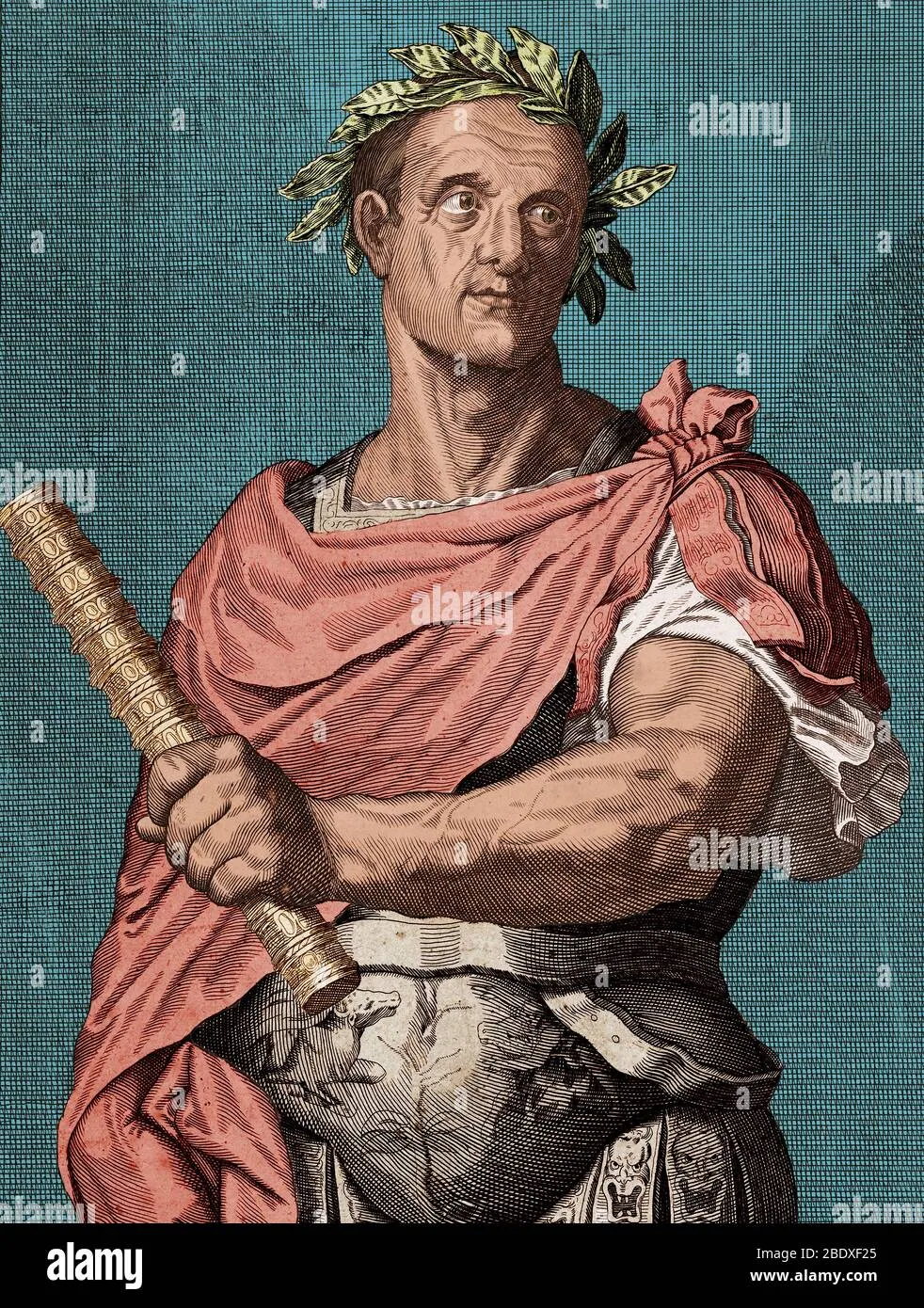 Photo: Julius Caesar, via c8.alamy.com
Roman emperors took this concept and industrialized it. Augustus created an entire class of arcani—secret keepers whose job was literally to know dangerous things and never speak of them. These weren't just bodyguards or advisors; they were professional holders of imperial secrets, bound by oaths so severe that breaking them meant not just death, but religious damnation.
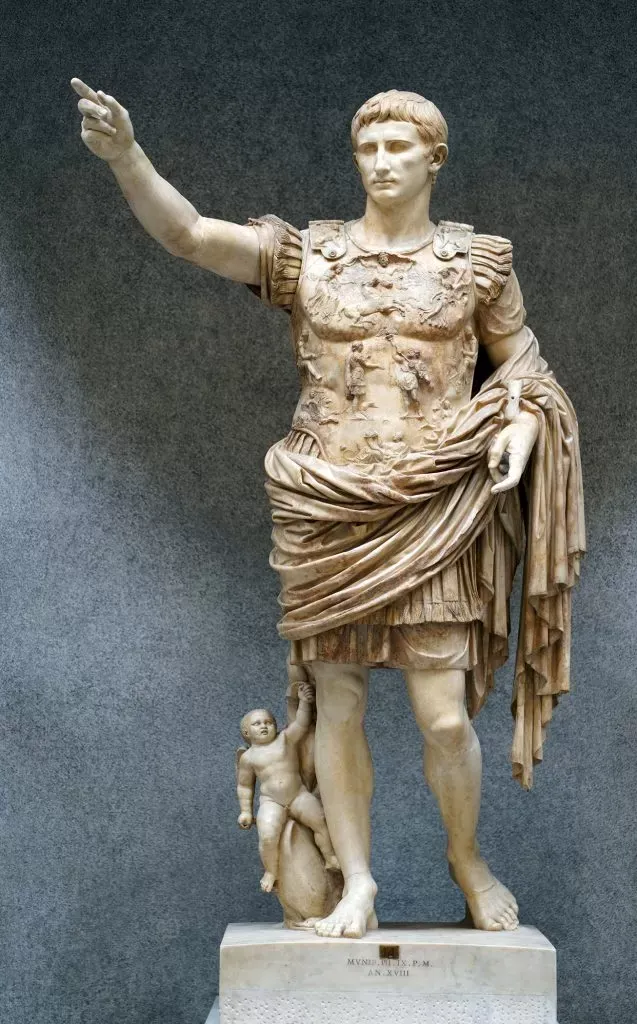 Photo: Augustus, via brewminate.com
The psychology was identical to what happens in a modern boardroom when someone signs a confidentiality agreement. You're not just promising to keep quiet—you're acknowledging that you possess information valuable enough to destroy, and that someone with more power than you is willing to pay (or threaten) to keep it buried.
When Loyalty Contracts Meet Reality
Of course, Roman secrecy agreements worked about as well as modern ones do. Which is to say: they didn't.
Emperor Caligula was notorious for making his inner circle swear elaborate oaths of silence about his... let's call them "unconventional" governing methods. Yet somehow, detailed accounts of his horse-consul appointment and his habit of having conversations with statues made it into the historical record. Funny how that works.
The problem then, as now, wasn't the legal mechanism—it was human psychology. People talk. They always have. The more dramatic the secret, the more irresistible it becomes. Roman senators gossiped at dinner parties about imperial scandals with the same enthusiasm that modern employees leak to journalists about corporate malfeasance.
The Medieval Refinement
Medieval lords took Roman secrecy culture and added a feudal twist. Instead of religious oaths, they used economic dependency. Keep your mouth shut about what happens in the castle, or lose your land, your livelihood, and your family's future.
This is where we see the direct ancestor of modern employment-based NDAs. Medieval servants, craftsmen, and advisors weren't just bound by contracts—they were trapped by economic reality. Speak out against your lord, and you'd find yourself unemployable anywhere in the region. The medieval equivalent of being blacklisted from an industry.
The genius of this system wasn't legal—it was psychological. It didn't just threaten punishment for speaking; it made silence a prerequisite for survival. Sound familiar?
The Corporate Evolution
Modern NDAs are really just medieval economic dependency dressed up in legal language. Instead of "betray your lord and lose your fief," it's "violate this agreement and we'll sue you into bankruptcy." The mechanism has evolved, but the underlying power dynamic is identical.
Silicon Valley didn't invent the culture of aggressive confidentiality—they just gave it venture capital funding. When tech companies make employees sign NDAs before they've even started work, they're following a playbook written by Roman emperors who understood that knowledge is power, and controlling knowledge means controlling people.
The modern twist is scale. Where Augustus had a few dozen arcani, Google has thousands of employees bound by confidentiality agreements. Where medieval lords controlled information within their immediate territory, modern corporations can enforce silence across continents and legal jurisdictions.
Why It Never Really Works
Here's what every Roman emperor, medieval lord, and modern CEO eventually learns: you can't actually buy loyalty, and you can't legislate trust. The harder you squeeze, the more likely someone is to talk.
History is littered with spectacular failures of institutional secrecy. The Watergate tapes. The Pentagon Papers. Every major corporate scandal of the past fifty years. In each case, someone with access to damaging information decided that their conscience, their career prospects, or their fifteen minutes of fame was worth more than whatever legal threats were keeping them quiet.
The Romans knew this too. That's why smart emperors didn't rely solely on oaths and threats—they also made sure their secret-keepers had skin in the game. Give someone a stake in the system, and they're less likely to burn it down. Make them complicit, and silence becomes self-preservation.
The Modern Reckoning
Today's NDAs are facing the same crisis that Roman secrecy oaths faced 2,000 years ago: they work great until they don't, and when they fail, they fail spectacularly. The #MeToo movement, corporate whistleblowing, and the steady stream of leaked documents from tech companies all demonstrate the same eternal truth—people will eventually talk, regardless of what they've signed.
The real lesson from 2,000 years of institutional secrecy isn't that NDAs don't work. It's that organizations that need them are usually trying to hide something that shouldn't be hidden in the first place. The Romans understood this paradox: the more desperately you need people to keep quiet, the more likely it is that you're doing something worth talking about.
Every NDA is ultimately an admission that somewhere, someone in power knows they're vulnerable to the truth. That's been true since the first Roman senator made his first secret deal, and it'll be true long after the last Silicon Valley startup has been forgotten.
The only thing that's changed is the paperwork.