Time Is Power: The 5,000-Year History of Making Important People Wait
Your boss joins the Zoom call 12 minutes late with "Sorry, I was on another call" and no further explanation. Your doctor's office schedules you for 2 PM, then leaves you sitting in a beige room until 2:47. That trendy restaurant makes you wait 45 minutes despite your reservation.
None of this is accidental. It's the latest iteration of humanity's oldest power play: demonstrating dominance by controlling whose time gets wasted. For 5,000 years, the most reliable way to show you're important has been to make other people prove they think you're important by waiting for you.
The OG Waiting Room: Ancient Egyptian Courts
Pharaoh Amenhotep III didn't invent the waiting room, but he perfected it. Foreign ambassadors and domestic officials would travel for weeks to reach his court at Thebes, only to be told that the pharaoh was "in consultation with the gods" and would see them when the divine timing was appropriate.
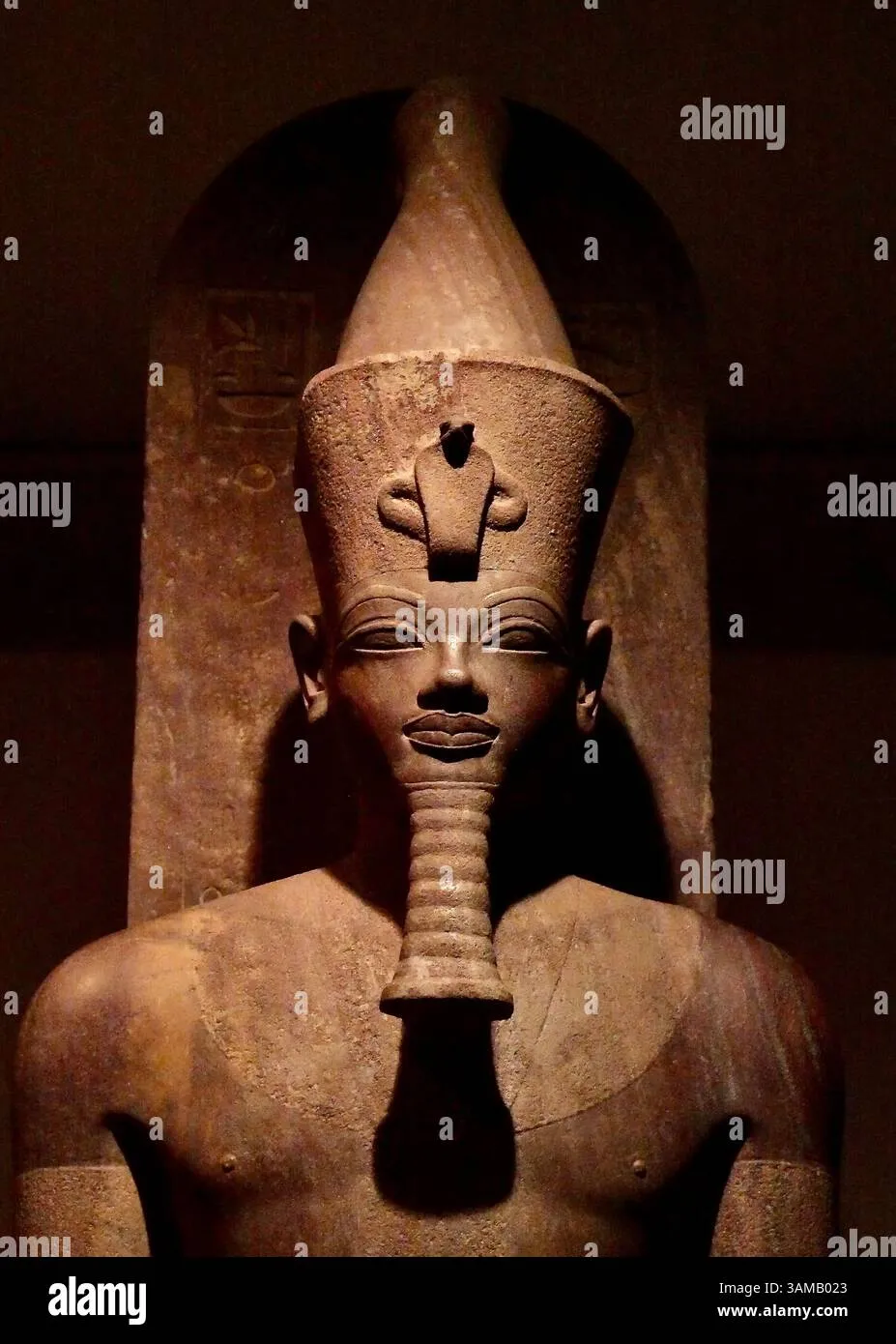 Photo: Pharaoh Amenhotep III, via c8.alamy.com
Sometimes this meant waiting three days. Sometimes three weeks. The pharaoh was often just hunting or playing board games, but that wasn't the point. The point was that your time belonged to him, not you.
Egyptian court records show that ambassadors from powerful kingdoms like Babylon and Assyria — people who commanded armies and controlled trade routes — would sit in antechambers for days, grateful for the opportunity to eventually grovel for an audience.
The psychological effect was devastating and intentional. By the time you finally got your five minutes with the pharaoh, you'd already spent weeks being reminded that your schedule, your priorities, and your dignity were all subject to his whims.
Versailles: The Waiting Room as Architectural Weapon
Louis XIV turned waiting into an art form. The Palace of Versailles was essentially a massive, ornate waiting room designed to psychologically destroy anyone who wasn't the king.
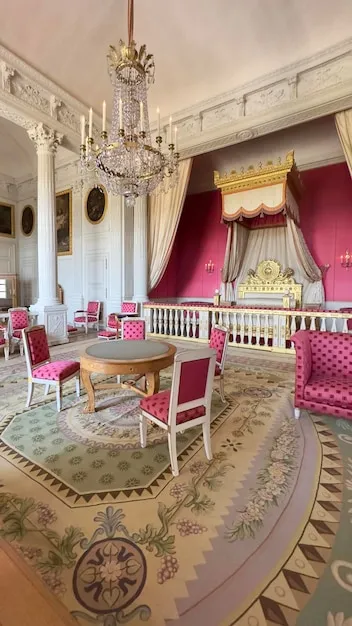 Photo: Palace of Versailles, via img.freepik.com
Courtiers would arrive before dawn and wait in a series of increasingly elaborate antechambers, each one bringing them theoretically closer to the king but never guaranteeing they'd actually see him. The lucky few who made it to the final waiting room — the Salon de l'Œil-de-Bœuf — might wait there for hours just for the privilege of watching Louis eat breakfast.
The genius was in the architecture itself. Each room was more beautiful than the last, creating a sense of progress and anticipation. You weren't just waiting aimlessly; you were advancing through a carefully orchestrated sequence of spaces that made you feel like you were getting closer to something important.
Modern office buildings use the exact same psychology. The lobby is impressive but public. The elevator requires a key card. The executive floor has nicer furniture. The corner office has the best view. Each step makes you feel more privileged, even though you're mostly just waiting to be told what to do.
The Byzantine Waiting Game
The Byzantine Empire turned diplomatic waiting into psychological warfare. Foreign ambassadors would be kept waiting not just for days, but for months, in a deliberate strategy to exhaust their patience and resources.
Emperor Constantine VII documented this system in his manual "De Administrando Imperio," explaining how prolonged waiting periods were designed to make foreign delegates more compliant and grateful when negotiations finally began. A Bulgarian khan who'd been cooling his heels in Constantinople for six weeks was much more likely to accept unfavorable terms than one who'd been received immediately.
The Byzantines also pioneered the "fake emergency" delay — suddenly announcing that urgent imperial business required postponing a scheduled meeting, then letting the ambassador wait another week while the emperor attended chariot races.
This is identical to how modern power dynamics work. Your CEO's assistant calls 10 minutes before your scheduled meeting to say it needs to be moved because "something urgent came up." The CEO isn't dealing with a crisis; they're just demonstrating that their time is more valuable than yours.
Why Your Doctor's Office Is Basically Ancient Persia
Persian kings like Darius the Great institutionalized waiting as a form of tribute. Even high-ranking officials had to present themselves at court hours before they might be summoned, demonstrating their availability and submission through their physical presence.
Your doctor's office operates on the exact same principle. You arrive at your scheduled time and wait, proving that your schedule is flexible enough to accommodate their delays. The doctor shows up when convenient for them, not when convenient for you.
The medical profession has convinced us this is about "emergencies" and "complex cases running over," but that's mostly rationalization. Doctors could solve the waiting problem by building realistic buffers into their schedules or by having patients arrive when they're actually ready to see them. They don't, because the waiting serves a psychological function that has nothing to do with medical care.
It establishes the hierarchy: your time serves their schedule, not the other way around.
The Silicon Valley Twist: Fashionably Late as Status Symbol
Tech culture has added a modern wrinkle to the ancient waiting game. Being slightly late to meetings has become a status symbol, a way of signaling that you're too important and too busy to be constrained by artificial things like "start times."
The higher up the corporate ladder you go, the more acceptable it becomes to keep people waiting. Junior employees arrive early and wait. Senior VPs arrive exactly on time. C-suite executives arrive 5-10 minutes late as a matter of course, usually with a casual "Sorry, back-to-back meetings" that everyone pretends to understand.
This is just the digital age version of what Persian kings and Roman emperors were doing: using delayed arrival to demonstrate that other people's time exists to serve your convenience.
Why This Never Changes
Time is the one resource that's truly finite and non-renewable. When someone controls your time, they control a piece of your life that you can never get back. This makes time the perfect tool for demonstrating power, because the psychological impact is immediate and visceral.
Every minute you spend waiting is a minute you're not doing something else you might prefer. The person making you wait is essentially saying: "Your preferences don't matter. Your schedule doesn't matter. What matters is that you're available when I need you."
This dynamic hasn't changed because human psychology hasn't changed. We still feel frustrated when our time is wasted. We still feel grateful when powerful people "fit us in." We still interpret prompt attention as a sign of respect and delayed attention as a sign of hierarchy.
The Only Winning Move
The Romans had a saying: "Punctuality is the courtesy of kings." The most powerful emperors, the ones who were secure in their authority, didn't need to make people wait. They showed up on time because they could afford to treat other people's time as valuable.
Modern power players who are confident in their position often do the same thing. They start meetings on time, keep appointments, and respect other people's schedules — not because they're weak, but because they're strong enough not to need these petty demonstrations of control.
But for everyone else — the insecure middle managers, the doctors with God complexes, the restaurant hostesses drunk on their tiny bit of authority — making people wait remains the easiest way to feel important.
The waiting room will always be with us, because the human need to establish pecking order through time control is as old as civilization itself. The only thing that changes is the furniture.