Ancient Alchemists Wrote the First Corporate Secrets Playbook
The Original Trade Secret Police
When a Google engineer signs an NDA today, they're participating in a ritual that's older than written history. The anxiety that someone might walk away with your secrets and use them against you isn't a modern corporate paranoia—it's a fundamental human fear that's been driving behavior for millennia.
In ancient Mesopotamia, metalworkers who knew the secrets of bronze production didn't just promise to keep quiet. They swore blood oaths to their guild masters, with the understanding that revealing the wrong ratio of copper to tin could mean exile, mutilation, or death. These weren't legal contracts—they were survival agreements in societies where a trade secret could determine whether your city prospered or got conquered.
Sacred Knowledge, Sacred Silence
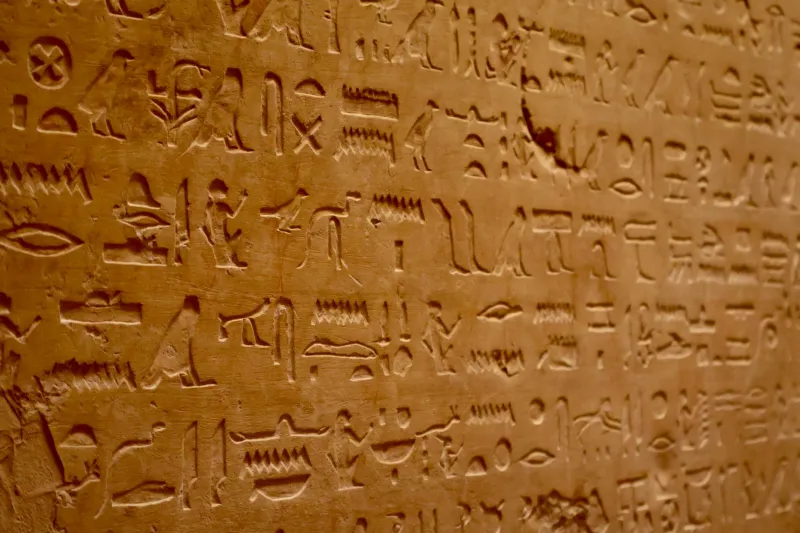
Egyptian temple craftsmen took secrecy even further. The techniques for creating certain pigments, preserving mummies, or constructing pyramid chambers were considered divine knowledge, passed down through apprenticeships that lasted decades. Breaking these confidences wasn't just betraying your master—it was betraying the gods themselves.
The priests who oversaw these operations understood something that modern HR departments are still figuring out: the most effective way to keep secrets isn't through fear alone, but through making the secret-keeper feel special for knowing it. Egyptian artisans weren't just sworn to silence; they were inducted into exclusive brotherhoods where the knowledge itself became part of their identity.
Medieval Guilds: The First Corporate Culture
By the Middle Ages, European craft guilds had systematized the secrecy game into something that would be recognizable to any modern tech company. Guild members signed formal oaths of confidentiality, agreed to seven-year apprenticeships where they could observe but not practice certain techniques, and faced economic exile if they tried to set up shop with a competitor.
The glass-makers of Venice were so protective of their mirror-making secrets that they literally imprisoned their craftsmen on the island of Murano. Anyone who tried to leave and practice their trade elsewhere faced assassination. It was the ultimate non-compete clause: break your agreement and we'll break you.
The Real Innovation Was Making It Legal
What changed wasn't the human impulse to hoard valuable information—it was the legal infrastructure that made secrecy agreements enforceable through courts instead of violence. The first recognizable NDAs appeared in 19th-century American patent law, but they were just formalizing agreements that craftsmen had been making for thousands of years.
Silicon Valley didn't invent the culture of secrecy; it just made it scalable. When a startup makes employees sign NDAs before they've even seen the office, they're following the same logic that made Egyptian priests swear sacred oaths before learning how to read hieroglyphs.
Why We Keep Making the Same Deal
The reason NDAs feel so natural to both employers and employees is that they tap into ancient social contracts about trust and belonging. Sharing a secret has always been how humans signal membership in an exclusive group, whether it's a Bronze Age metalworking clan or a Series B startup.
The person signing the NDA gets to feel important—trusted with valuable information that others don't have. The person requiring the signature gets to feel protected—confident that their competitive advantage won't walk out the door. It's a psychological transaction that predates capitalism by millennia.
The Price of Information
What hasn't changed is the fundamental tension: the most valuable information is also the most dangerous to share. Ancient alchemists knew that teaching someone to turn lead into gold (even if it was impossible) meant creating a potential competitor. Modern tech companies know that showing someone how their algorithm works means creating a potential threat.
The irony is that the information being protected often isn't as valuable as everyone believes. Most ancient "trade secrets" were eventually figured out by others anyway, just as most corporate secrets eventually become common knowledge. But the ritual of secrecy persists because it serves a deeper psychological function than just protecting intellectual property.
The Eternal Return of Paranoia
Every generation thinks they've invented information anxiety, but humans have been worrying about who knows what since we first figured out that knowledge could be turned into power. The Mesopotamians who carved the first confidentiality oaths into stone tablets weren't more paranoid than modern executives—they were just working with different tools.
The next time you're asked to sign an NDA, remember that you're participating in one of humanity's oldest rituals. The paperwork is new, but the fear that drives it is as old as civilization itself.