Your Ancient Boss Invented Being Impossible to Reach: How Power Has Always Hidden Behind Gatekeepers

The Doorkeeper's Dilemma
Your boss takes three days to respond to your urgent email, but somehow finds time to post LinkedIn updates about "authentic leadership." Frustrating? Absolutely. Revolutionary? Not even close.
Two thousand years ago, if you wanted to see a Roman senator, you'd wake up before dawn and join the crowd of supplicants gathering outside his house. There, you'd encounter the nomenclator — a slave whose entire job was memorizing names, faces, and the intricate social hierarchy that determined who got five minutes of the great man's time and who got told to come back next week.
These weren't just servants. They were human firewalls, trained in the delicate art of making rejection feel like deference. "The senator is reviewing important matters of state," they'd say, which was often code for "he's still in bed" or "he doesn't want to deal with you today."
The Villa Excuse
When things got really heated in Rome — a scandal brewing, angry creditors circling, political enemies asking uncomfortable questions — the elite had the ultimate out-of-office reply: they'd retreat to their country villas. Pliny the Younger wrote extensively about his various estates, each one perfectly positioned for strategic unavailability.
 Photo: Pliny the Younger, via www.delphiclassics.com
It wasn't just about luxury. It was about creating physical distance that translated into social immunity. Hard to serve someone with legal papers when they're three days' ride away, claiming they're "contemplating philosophy" or "overseeing the harvest."
Sound familiar? Every time a tech executive goes on a "digital detox" or a politician takes a "family vacation" right as a controversy explodes, they're running the same play Cicero used when his enemies got too close.
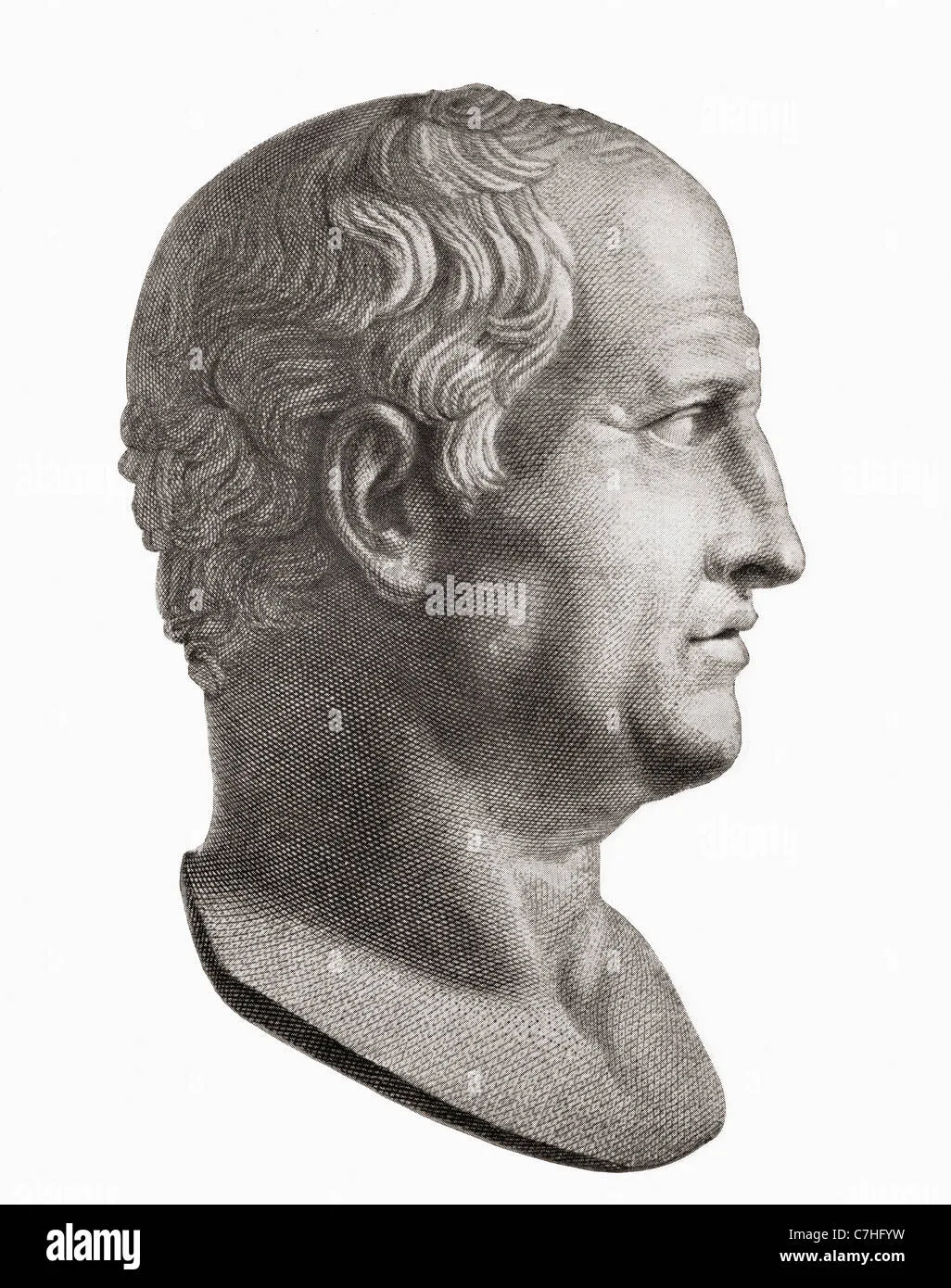 Photo: Cicero, via c8.alamy.com
Medieval Middle Management
The medieval world perfected this system. Castle life wasn't just about defense against armies — it was about controlling access to power. The chamberlain decided who saw the lord and when. The porter controlled who even got past the gate. Every level of the hierarchy had someone whose job was to say "not today."
Monastic communities took it even further. Want to speak to the abbot? First, you petition the prior. The prior consults with the sub-prior. The sub-prior checks the abbey's complex schedule of prayers, meals, and contemplation. By the time you get an answer, your urgent matter has either resolved itself or become someone else's problem.
This wasn't inefficiency — it was intentional. The harder someone was to reach, the more important they seemed. Accessibility was for peasants. Power announced itself through unavailability.
The Phone Booth Revolution
The telephone should have changed everything. Suddenly, anyone could reach anyone, instantly. Instead, human psychology kicked in. The wealthy got unlisted numbers. Businesses hired operators to screen calls. The more successful you became, the more barriers you erected.
By the 1980s, being "hard to reach" had become such a status symbol that people would brag about not having answering machines or keeping their numbers private. The ultimate power move was making other people work to contact you.
Digital Age, Ancient Strategies
Today's executive assistant managing a calendar packed with "strategic thinking time" is just the nomenclator with a college degree. The CEO who brags about inbox zero while your project proposal sits unread for weeks is channeling every Roman senator who ever claimed to be "consulting the auguries" when he was actually avoiding difficult decisions.
We've dressed it up with productivity apps and time-blocking philosophies, but the core psychology hasn't changed. Being unreachable isn't a bug in how powerful people operate — it's the feature. It forces everyone else to compete for attention, to prove their requests are worthy, to accept that their time is less valuable than the person they're trying to reach.
The Gatekeeping Game
The most sophisticated modern organizations have turned strategic unavailability into an art form. There are executive assistants who guard calendars like medieval castellans, HR departments that make Roman bureaucracy look streamlined, and entire corporate hierarchies designed to ensure that by the time your concern reaches someone who can actually do something about it, you've either given up or found another job.
This isn't accidental. It's evolutionary. Every successful power structure in history has learned that the person who controls access controls everything. Your boss's delayed email responses aren't about being busy — they're about maintaining the ancient hierarchy that says their time matters more than yours.
The next time you're told someone is "in meetings all day" or "traveling for the rest of the week," remember: you're not dealing with a scheduling conflict. You're experiencing a power dynamic that's older than the Roman Empire, refined by two millennia of people who understood that in any relationship, the person who's harder to reach automatically becomes more important.
The out-of-office reply might be new, but the psychology behind it has been running the world since humans first figured out that scarcity creates value — even when that scarcity is completely artificial.