The First Gag Orders: How Ancient Rome Perfected Buying Silence Without Lawyers

Your company's 47-page NDA with its labyrinthine definitions of "confidential information" and threats of financial ruin isn't revolutionary corporate innovation. It's just the latest iteration of a 2,000-year-old playbook that Roman emperors, wealthy patrons, and savvy merchants wrote in blood, coins, and social destruction.
The Romans didn't need legal departments to silence inconvenient people. They had something more effective: a society where your reputation was literally your currency, and destroying it was cheaper than litigation.
When Your Social Credit Score Actually Mattered
In ancient Rome, your fama — your reputation — determined whether you could borrow money, marry well, or even buy bread on credit. Unlike today's credit scores, which reset after seven years and can be rebuilt with the right financial moves, Roman reputation was permanent and hereditary. Mess with the wrong person, and your great-grandchildren would still be feeling the consequences.
This made enforced silence incredibly simple: you didn't need to threaten someone with a lawsuit. You just threatened to tell everyone they knew that they couldn't be trusted.
Wealthy Romans like Pliny the Younger documented how this worked in practice. When a freedman (former slave) tried to expose financial irregularities in his patron's business dealings, the patron didn't file an injunction. He simply let it be known that the freedman was "ungrateful" — a social death sentence that meant no other patron would ever hire him, lend to him, or associate with him.
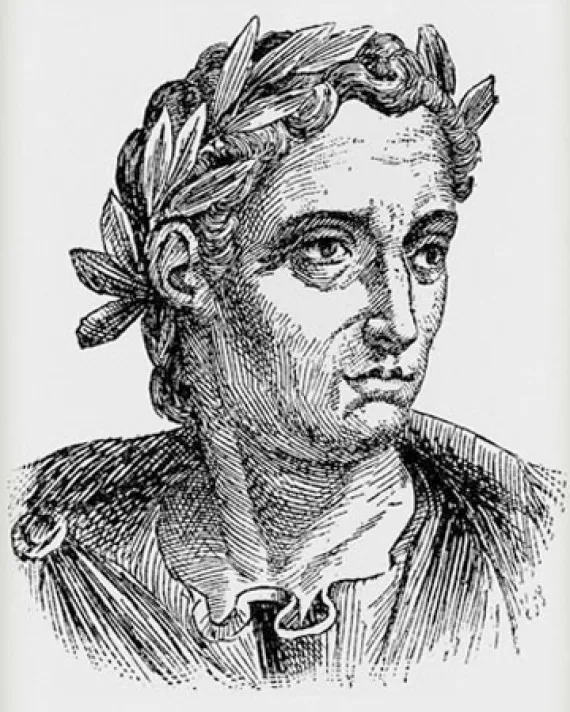 Photo: Pliny the Younger, via www.laphamsquarterly.org
The freedman had two choices: keep quiet and keep eating, or speak up and starve. Sound familiar?
The Emperor's Invisible Gag Order
Emperor Augustus perfected this system on a macro scale. He didn't ban criticism — that would have looked tyrannical and un-Republican. Instead, he created a network of informants and social consequences that made criticism professionally suicidal.
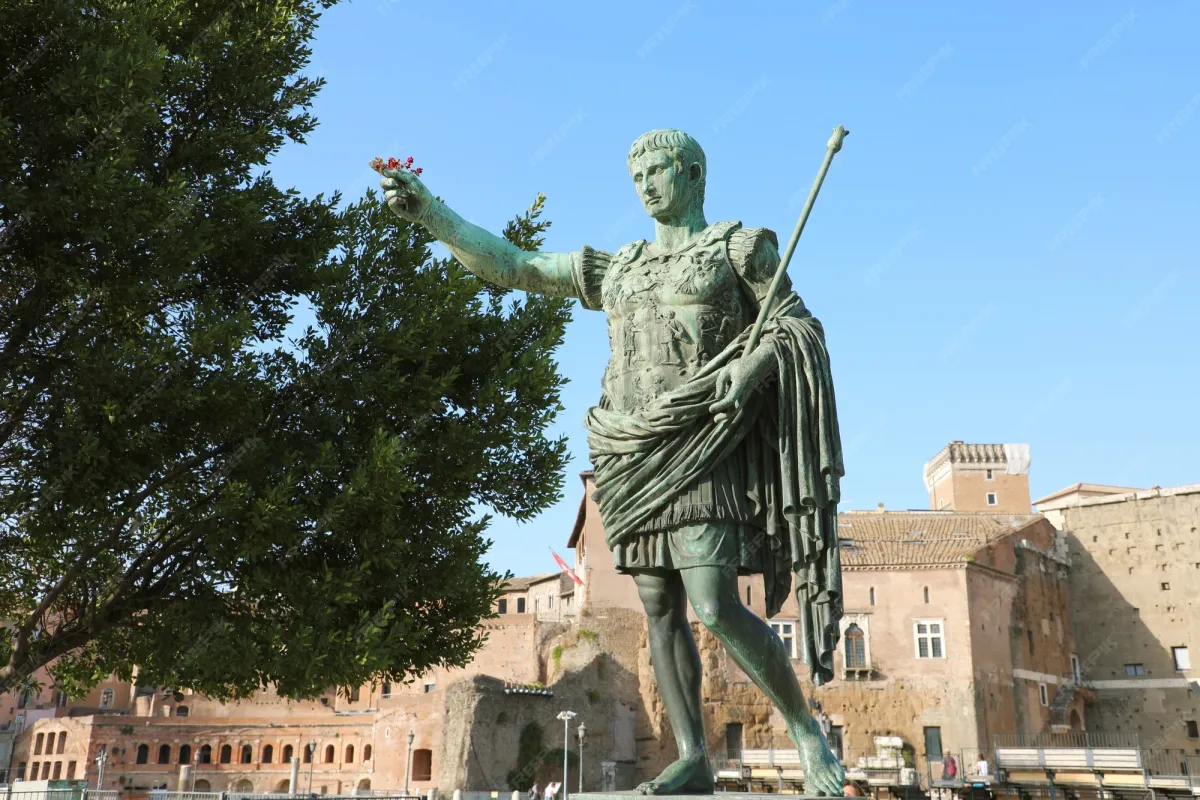 Photo: Emperor Augustus, via img.freepik.com
Historians like Tacitus wrote about this climate decades later, describing how "the fear of punishment" had become so internalized that people censored themselves before anyone else could. Augustus had created the first self-enforcing NDA: a society where everyone knew what they weren't supposed to say, even though no one had officially told them not to say it.
 Photo: Tacitus, via i.ytimg.com
The genius was in the deniability. If someone complained about being silenced, Augustus could honestly say he'd never told them to be quiet. The social machinery did all the work.
Merchants and the Art of Quiet Compliance
Roman merchants took this concept and made it portable. When trade disputes arose — say, a supplier was selling watered-down wine or a shipping contractor was skimming cargo — the injured party had several options. They could go to court, which was expensive and public. They could seek arbitration, which required both parties to agree. Or they could make the problem disappear quietly.
Papyrus records from Egypt show how this worked. A merchant named Apollodorus discovered that his grain supplier had been mixing sand into shipments for months. Instead of filing a lawsuit, Apollodorus simply started telling other merchants that this supplier "couldn't be trusted with quality standards." Within weeks, the supplier's business had collapsed.
The supplier came to Apollodorus begging for a solution. The deal was simple: make full restitution, switch to a different trade route where Apollodorus had no influence, and never speak of the original dispute to anyone. In exchange, Apollodorus would stop bad-mouthing him and might even put in a good word about his "reformed" business practices.
It was a perfect NDA: no lawyers, no courts, no written agreement that could be challenged later. Just mutual understanding backed by the threat of social and economic annihilation.
The Modern Inheritance
Today's NDAs work exactly the same way, just with more paperwork. The legal language about "irreparable harm" and "injunctive relief" is window dressing. The real enforcement mechanism is still social and economic pressure.
When a tech employee signs an NDA and later wants to blow the whistle on their former company, they're not really worried about the lawsuit (which the company probably won't file because it would create more publicity). They're worried about being blacklisted from the industry, having future employers see them as "disloyal," or losing their network of professional contacts.
The Romans understood that the most effective way to buy silence wasn't to threaten people with punishment — it was to make them complicit in their own silencing by showing them exactly what they had to lose.
Why This Never Changes
Human psychology hasn't evolved in 2,000 years. We still need social connections to survive and thrive. We still depend on our reputation for economic opportunities. We still make cost-benefit calculations about whether speaking up is worth the personal consequences.
The Romans figured out that you don't need to threaten everyone if you make a few high-profile examples. Word gets around. People learn to self-censor. The system becomes self-sustaining.
Your modern NDA is just the paperwork that makes this ancient system look legal. But the real enforcement mechanism — the fear of social and economic consequences — is exactly the same tool that Roman emperors used to maintain power without looking like tyrants.
The only thing that's changed is that we've convinced ourselves this is about protecting "intellectual property" instead of admitting it's about protecting powerful people from inconvenient truths. The Romans, at least, were honest about what they were doing.