Fake Goods Have Beaten Every Government for 3,000 Years: The Counterfeit Arms Race That Never Ends
Every few years, some government official announces a major victory against counterfeit goods. Warehouses raided, fake merchandise destroyed, criminal networks dismantled. The photos always look the same: officials standing proudly behind tables covered with seized knockoffs, as if this time they've really solved the problem.
They haven't. They never have. And if you study the last three thousand years of human economic history, you'll understand why they never will.
Counterfeiting isn't some modern criminal innovation enabled by globalization and lax enforcement. It's the shadow economy that has followed legitimate commerce since the day humans started making things worth copying. Every civilization that created valuable goods immediately spawned an industry of people making cheaper versions and selling them as the real thing.
Rome's Coin Clippers Started It All
The Roman Empire had the world's most sophisticated currency system, with standardized weights and silver content that made their denarii trusted from Britain to Mesopotamia. Naturally, people immediately started gaming it.
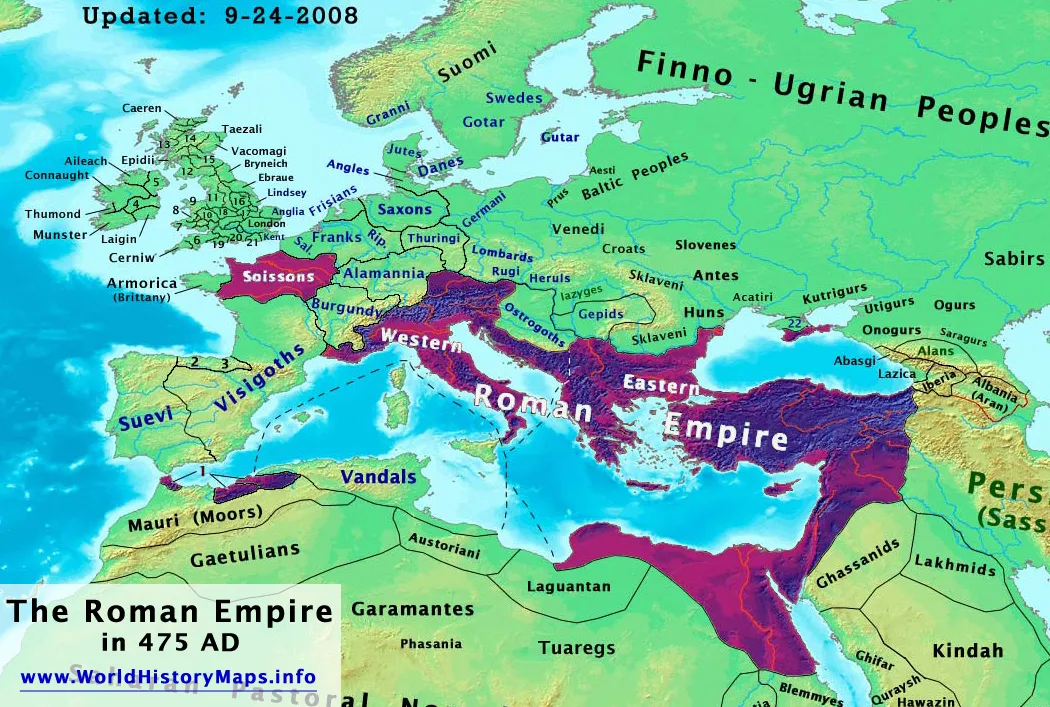 Photo: Roman Empire, via www.worldhistorymaps.info
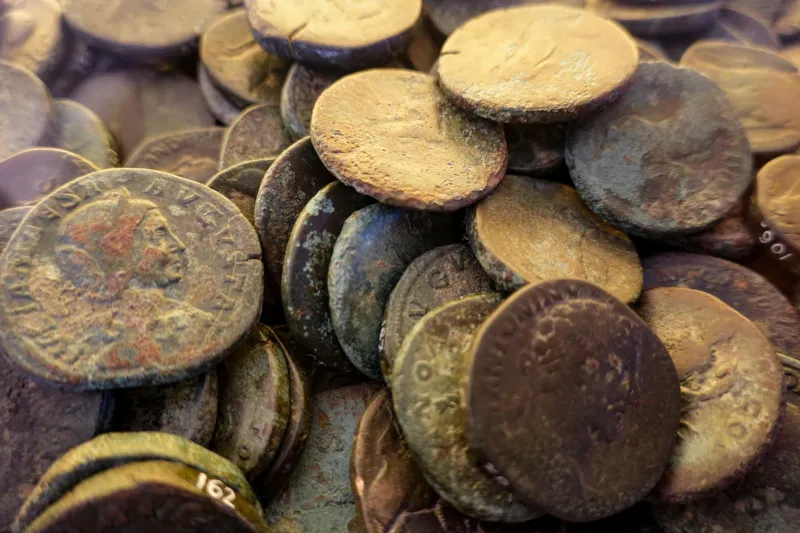
Coin clipping became so common that Roman merchants developed techniques for spotting shaved currency that wouldn't look out of place in a modern counterfeit detection manual. Criminals would carefully file silver from the edges of coins, accumulating enough precious metal to mint fake coins while spending the clipped originals. The government responded with increasingly elaborate anti-counterfeiting measures: detailed engravings, specific weight standards, harsh penalties.
None of it worked. Archeologists still find clipped Roman coins throughout the former empire. The fakers always stayed one step ahead because they had the same incentive that drives modern counterfeiters: massive profit margins on minimal investment.
China's Imperial Seal Scandal
The Chinese developed the world's first standardized system of official seals and stamps, used to authenticate everything from government documents to commercial contracts. These jade and bronze seals were intricate works of art, carved with specific characters and designs that were supposed to be impossible to replicate.
Within decades, skilled craftsmen were producing fake imperial seals so convincing that even government officials couldn't tell the difference. The Qing Dynasty eventually employed teams of specialists whose only job was examining seals for authenticity—essentially creating the world's first authentication industry.
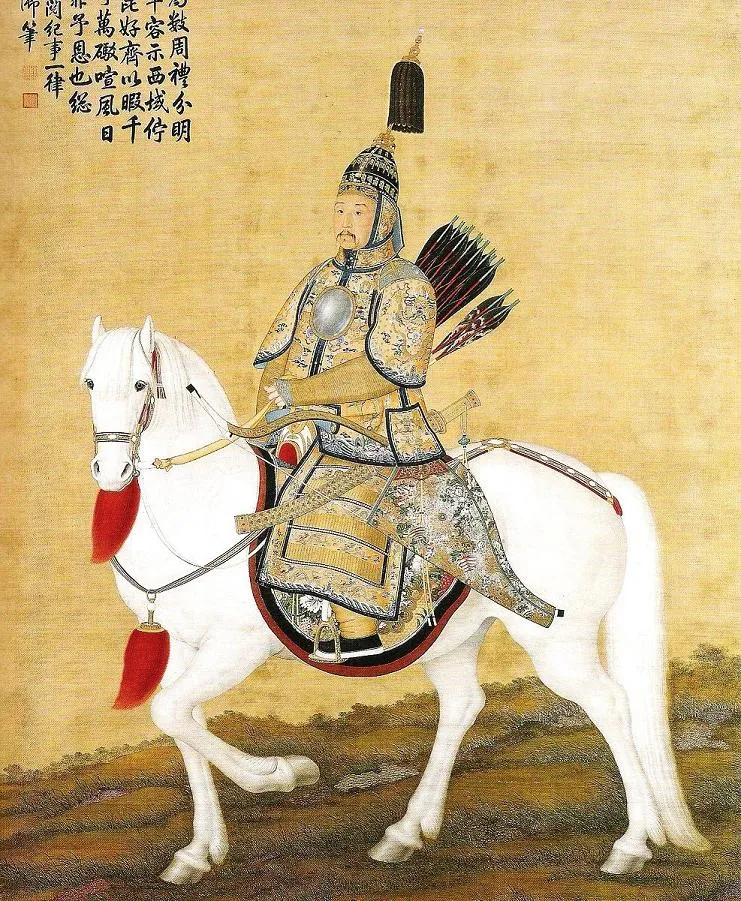 Photo: Qing Dynasty, via theqingdynasty.com
But here's the thing: every improvement in legitimate seal-making technology was quickly matched by improvements in forgery. Better carving tools? The counterfeiters got them too. More complex designs? Fake seal makers hired better artists. Harsh punishments? The profits were worth the risk.
The pattern was set: technological advancement helped both sides equally, and the economic incentives always favored the fakers.
Medieval Markets Were Full of Knockoffs
By the Middle Ages, brand recognition was already driving consumer behavior. Certain regions became known for specific high-quality goods: Damascus steel, Venetian glass, Flemish cloth. Merchants could charge premium prices by claiming their products came from these prestigious locations.
So naturally, every medieval market was flooded with "Damascus" steel made in local workshops, "Venetian" glass blown in rural furnaces, and "Flemish" cloth woven wherever labor was cheap. Medieval trade records are full of complaints about fake regional specialties, disputes over authentic provenance, and attempts to create certification systems.
The guilds tried to solve this through tight quality control and geographic restrictions. Only certified Damascus smiths could make "real" Damascus steel. Only registered Venetian glassblowers could produce "authentic" Venetian glass. The enforcement mechanisms were elaborate: special marks, guild inspections, severe penalties for violations.
It didn't work. Skilled craftsmen simply moved to unregulated areas and continued producing high-quality fakes. The guild system created artificial scarcity that made counterfeiting even more profitable.
The Luxury Goods Arms Race Goes Global
The Renaissance brought global trade networks and the first truly international luxury brands. Chinese porcelain, Indian spices, and European textiles commanded premium prices across continents. Within years, every major trade route was flooded with convincing fakes.
Dutch traders became notorious for selling "Chinese" porcelain that was actually made in European workshops using stolen techniques. Spanish merchants sold "Indian" spices that were local herbs mixed with small amounts of genuine imports. Italian textile makers copied luxury fabrics from across Europe and sold them with fake origin labels.
Governments tried everything: trade restrictions, quality inspections, severe criminal penalties. The Spanish Inquisition actually prosecuted spice counterfeiters. The Chinese emperor banned the export of porcelain-making techniques. European guilds lobbied for protectionist trade policies.
None of it mattered. The counterfeiters adapted faster than the regulators. When one route was shut down, they found another. When one technique was exposed, they developed a better one. When penalties increased, they simply built the legal risks into their pricing.
Why Every Crackdown Fails the Same Way
Here's what three thousand years of anti-counterfeiting efforts have taught us: enforcement always fights the last war. Governments develop sophisticated responses to yesterday's faking techniques just as counterfeiters move on to tomorrow's methods.
Roman coin inspectors got very good at spotting clipped denarii right around the time criminals switched to diluting silver content instead of shaving edges. Chinese seal authenticators mastered traditional carving techniques just as forgers started using new tools and materials. Medieval guild inspectors perfected regional quality standards while counterfeiters relocated to jurisdictions beyond their reach.
The fundamental problem never changes: legitimate manufacturers have to follow rules, pay taxes, and maintain quality standards. Counterfeiters don't. This gives fakers permanent structural advantages that no amount of enforcement can overcome.
The Modern Counterfeit Economy
Today's fake goods industry—from knockoff handbags to counterfeit medications—operates on exactly the same principles that drove Roman coin clippers and medieval seal forgers. The technology is different, but the human incentives are identical.
Counterfeiters still target high-margin products with strong brand recognition. They still exploit the gap between manufacturing costs and retail prices. They still adapt faster than enforcement agencies. They still relocate when one jurisdiction gets too restrictive.
The main difference is scale. Modern transportation and communication networks let today's counterfeiters operate globally in ways that ancient fakers could only dream of. A fake Rolex designed in one country, manufactured in another, and sold in a third can move through the global economy faster than any government can track it.
The Pattern That Never Breaks
Every generation of officials announces that this time will be different. Better technology, stronger international cooperation, harsher penalties. But the historical record is clear: counterfeiting has survived the fall of the Roman Empire, the rise and fall of medieval guilds, the Industrial Revolution, two world wars, and the digital age.
It's not because governments aren't trying hard enough or because enforcement is too weak. It's because the fundamental economics haven't changed. As long as there are valuable goods, there will be people making cheaper versions and selling them as authentic. As long as consumers want luxury products at discount prices, there will be markets for fakes.
The counterfeit economy isn't a bug in the system that can be fixed with better enforcement. It's a feature of human nature that has adapted to every economic system humans have ever created. The fake goods flooding today's markets aren't a modern problem—they're the latest chapter in a 3,000-year-old story that shows no signs of ending.