The Final Feedback: Why Leaving Organizations Has Never Changed Anything

When Marcus Aurelius disbanded the Legio IX Hispana in 161 AD after decades of declining performance, Roman military bureaucrats conducted formal interviews with departing centurions. The surviving papyrus records are remarkable — detailed accounts of leadership failures, supply chain breakdowns, and morale problems that had plagued the legion for years.
 Photo: Marcus Aurelius, via www.newtraderu.com
Every single complaint the centurions raised had been documented in previous reports. Every structural problem they identified had been flagged by multiple sources. Every suggestion they offered had been proposed before by active-duty officers.
None of it had been addressed. The exit interviews were filed away with all the rest, and the Roman military continued making the same mistakes with the next legion.
Sitting in a conference room today, getting asked what could have made you stay at your job, you're participating in an institutional ritual that's remained unchanged for five millennia: the systematic collection and systematic ignoring of feedback from people who no longer matter to the organization.
The Mesopotamian Paper Trail
The oldest known exit interviews come from Babylonian palace records dating to 2100 BC. When court officials left royal service, scribes conducted formal debriefings that covered everything from administrative inefficiencies to corruption among senior staff. The cuneiform tablets are brutally honest — departing officials didn't hold back when they knew they were never coming back.
One tablet records a treasurer's departure interview from the reign of Hammurabi: "The king's advisors take bribes from merchants seeking favorable trade agreements. The palace guard reports to three different commanders who contradict each other daily. The grain allocation system hasn't been updated in twenty years and creates artificial shortages that benefit warehouse managers."
 Photo: Hammurabi, via www.wein.plus
Every criticism was meticulously recorded. Most were corroborated by other sources. None resulted in policy changes.
Archaeological evidence suggests this pattern held across ancient civilizations. Egyptian temple records include departure interviews with priests who left religious service. Chinese imperial archives contain exit documentation from civil servants who resigned their posts. Greek city-state records preserve accounts from citizens who renounced their citizenship.
The format is always the same: structured questions, detailed responses, careful documentation, and zero follow-up.
Medieval Guilds Perfect the Art of Not Listening
By the Middle Ages, European craft guilds had turned exit interviews into elaborate ceremonies. When a journeyman left one guild to join another, both organizations conducted formal proceedings to document the transition.
Guild records from 14th-century London reveal a striking pattern. Departing members consistently raised the same issues: arbitrary enforcement of regulations, favoritism in advancement decisions, resistance to new techniques, and corruption in material procurement. Master craftsmen listened carefully, asked follow-up questions, and recorded everything in official ledgers.
Then they continued running their guilds exactly as before.
A 1347 departure interview from the Worshipful Company of Goldsmiths includes this exchange:
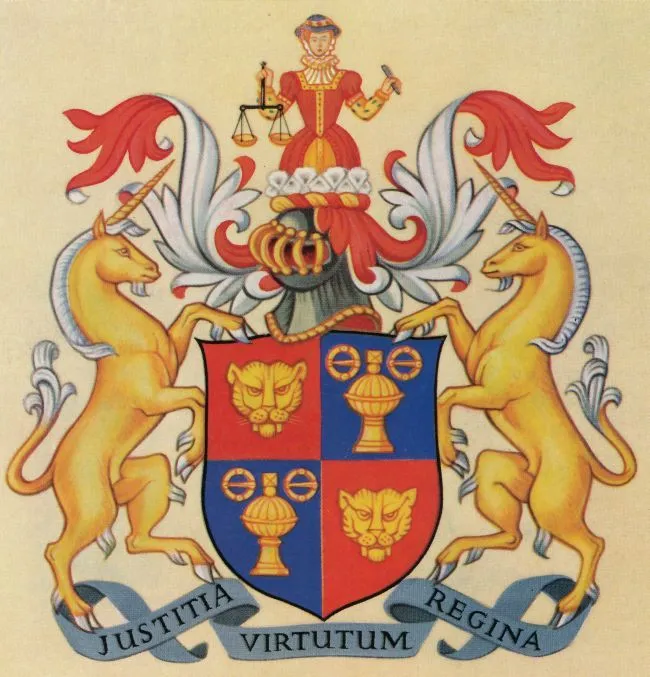 Photo: Worshipful Company of Goldsmiths, via i.pinimg.com
Guild Master: "What changes might have encouraged you to remain with us?"
Departing Journeyman: "Fair advancement based on skill rather than family connections. Updated techniques that reflect current market demands. Honest dealings with suppliers instead of kickback arrangements."
Guild Master: "Your concerns have been noted and will be considered by the council."
Guild meeting minutes from the following year show no discussion of advancement policies, technique updates, or supplier relationships. But they do show the guild conducting identical exit interviews with three more departing members, who raised identical concerns.
The Corporate Evolution of Institutional Deafness
When the Dutch East India Company formalized departure procedures in the 1600s, they created the template for modern corporate exit interviews. Departing employees met with company officials who asked structured questions about working conditions, management practices, and suggestions for improvement.
Company records show these interviews generated hundreds of pages of feedback over decades of operation. Employees consistently identified the same systemic problems: unclear chains of command, inadequate compensation for overseas assignments, poor communication between regional offices, and corruption in local partnerships.
The feedback was compiled into annual reports that were distributed to senior management. Those reports were then filed away and forgotten. Archaeological evidence from Dutch East India Company archives shows that the same structural problems persisted for the entire 200-year lifespan of the organization.
Why Organizations Can't Hear Departing Voices
The persistence of ineffective exit interviews across cultures and centuries suggests they serve a psychological function that has nothing to do with organizational learning. When someone leaves an institution, both sides need closure — but they need different kinds of closure.
The departing person needs to feel heard. They want to believe their experience mattered, that their insights might help future colleagues, that their frustrations were valid and worth documenting. The exit interview provides this psychological release.
The organization needs to feel responsible. Conducting exit interviews creates the impression of institutional self-reflection and continuous improvement. It suggests the organization cares about feedback and is committed to addressing problems.
But organizations are structurally incapable of acting on exit interview feedback, for the same reason they couldn't address the problems when they were raised by active employees: the people who create problems are usually the same people who would need to solve them.
The Roman Military's Feedback Loop to Nowhere
Roman military archives provide the clearest example of this dynamic. Departing centurions consistently complained about the same issues: political appointments of incompetent commanders, inadequate supplies for frontier postings, conflicting orders from competing authorities in Rome.
These weren't new problems. Active-duty officers had been raising identical concerns in official reports for decades. But addressing them would require challenging powerful senators who bought military positions for their sons, restructuring supply chains controlled by politically connected contractors, and clarifying command structures that benefited multiple competing factions in the imperial bureaucracy.
The people conducting exit interviews weren't authorized to make those changes. The people who were authorized to make those changes were the same people who benefited from maintaining the status quo.
So the interviews continued, the feedback was documented, and the problems persisted until they contributed to the collapse of the Western Roman Empire.
The Modern Iteration of Ancient Futility
Contemporary exit interviews follow the same script as their ancient predecessors. HR departments ask departing employees about management quality, workplace culture, and suggestions for improvement. The feedback consistently identifies the same organizational problems: poor communication from leadership, inadequate career development opportunities, unfair compensation practices, and toxic team dynamics.
These aren't new insights. Employee satisfaction surveys, 360-degree reviews, and anonymous feedback systems have been documenting identical issues for years. But addressing them would require confronting the same structural realities that have made exit interviews ineffective for five millennia.
The managers who create poor workplace culture are usually the same managers who would need to change it. The compensation systems that underpay employees are controlled by executives who benefit from keeping labor costs low. The career development programs that favor certain demographics are administered by people who succeeded under the current system.
Why We Keep Pretending It Works
The remarkable durability of exit interviews across human history suggests they fulfill a deeper psychological need than organizational improvement. They provide the comforting illusion that institutions are capable of learning and growth, even when all evidence suggests otherwise.
For departing employees, exit interviews offer the hope that their experience might prevent others from suffering the same frustrations. For organizations, they provide plausible deniability — we can't be accused of not caring about feedback if we're actively collecting it.
But five thousand years of data suggests that exit interviews have never been about learning. They're about managing the psychological discomfort of organizational dysfunction for both sides of the conversation.
The departing employee gets to feel heard. The organization gets to feel responsive. Everyone gets to pretend that feedback leads to change, even though the historical record shows it almost never does.
Because if organizations were actually capable of learning from departing employees, they wouldn't have so many departing employees to learn from in the first place.