Someone Else Has Always Done the Lying: Why Power Never Speaks for Itself

Every time a scandal breaks, we get the same ritual. The powerful figure stays silent while their spokesperson steps up to the microphone, ready to deflect, deny, and absorb whatever backlash comes. We treat this like modern political theater, but it's actually one of humanity's oldest job categories.
Power has never spoken for itself. From the moment humans started organizing into hierarchies, the people at the top discovered they needed someone else to handle the messy business of explaining away their mistakes, spinning their failures, and taking the blame when things went wrong.
The role has had different titles across the centuries—court scribe, royal historian, press secretary—but the job description has remained remarkably consistent: make the boss look good, make the problems go away, and when necessary, fall on your sword so the boss doesn't have to.
Ancient Egypt Invented the Professional Reputation Manager
Pharaoh Ramesses II ruled Egypt for 66 years and spent most of that time commissioning scribes to write elaborate accounts of his military victories. The Battle of Kadesh, fought against the Hittites around 1274 BC, was actually a tactical disaster that nearly got Ramesses killed. But you wouldn't know that from the official Egyptian records.
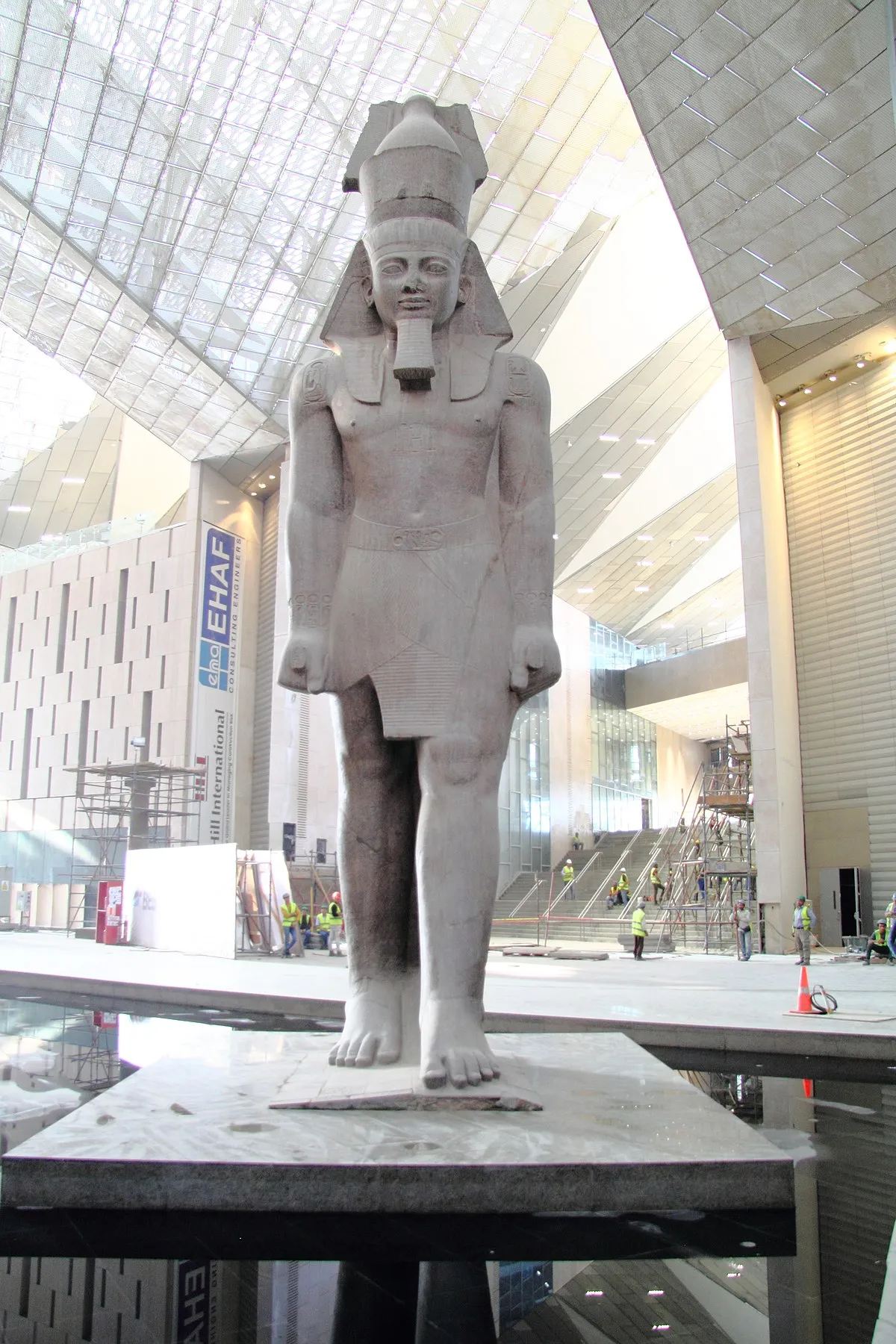 Photo: Ramesses II, via upload.wikimedia.org
The court scribes transformed Ramesses's near-defeat into a glorious personal triumph, complete with divine intervention and heroic single-handed combat against impossible odds. They carved these fictional accounts into temple walls across Egypt, creating what might be history's first large-scale propaganda campaign.
Here's the crucial part: Ramesses himself never claimed to have written these accounts. The scribes took credit—and responsibility—for the official version of events. When later historians questioned the accuracy of Egyptian battle records, the criticism fell on the scribes' professional competence, not the pharaoh's personal honesty.
This wasn't accidental. Ancient rulers understood instinctively that credibility required distance. The pharaoh couldn't be seen crafting his own legend; that would undermine the divine authority the legend was meant to support. Someone else had to do the narrative work.
Roman Emperors Perfected Plausible Deniability
The Roman Empire turned reputation management into a sophisticated bureaucratic function. Every emperor employed teams of official historians, court poets, and public orators whose job was managing the imperial image. When Augustus wanted to justify his rise to power, he didn't write his own memoirs—he commissioned Virgil to write the Aeneid, an epic poem that portrayed Augustus's rule as the fulfillment of divine destiny.
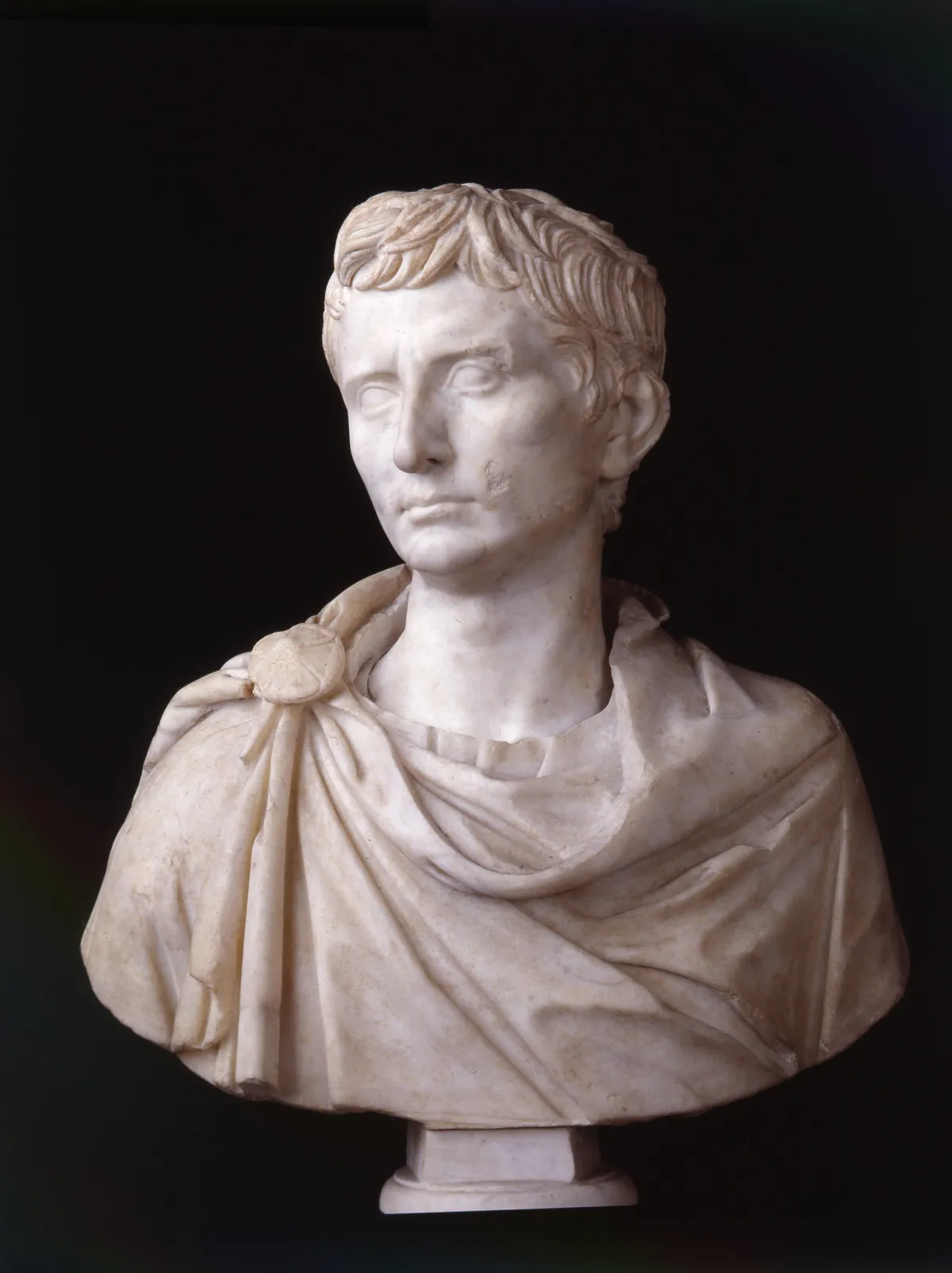 Photo: Augustus, via static01.nyt.com
This gave Augustus perfect cover. If critics attacked the historical accuracy of the Aeneid, they were criticizing Virgil's artistic interpretation, not the emperor's political claims. Augustus could benefit from the propaganda while maintaining plausible distance from its creation.
The system worked so well that later emperors expanded it. Trajan employed the historian Tacitus and the orator Pliny to shape public opinion. Hadrian commissioned poets and architects to celebrate his achievements. Each emperor built a network of professional reputation managers who could craft favorable narratives while absorbing any blowback.
When things went really wrong, these intermediaries provided another crucial service: they could be sacrificed. If a particular narrative became too controversial or a specific scandal required a scapegoat, the emperor could disavow the messenger while preserving his own position.
Medieval Kings Needed Someone Else to Rewrite History
Medieval monarchs inherited the Roman system and refined it further. Court chroniclers became essential royal employees, tasked with recording official versions of events that would justify current policies and legitimize royal authority.
When William the Conqueror invaded England in 1066, he immediately commissioned chroniclers to write accounts proving his legal right to the English throne. These weren't neutral historical records; they were legal briefs disguised as history books. But William himself never claimed to be a historian. The chroniclers took professional responsibility for their interpretations.
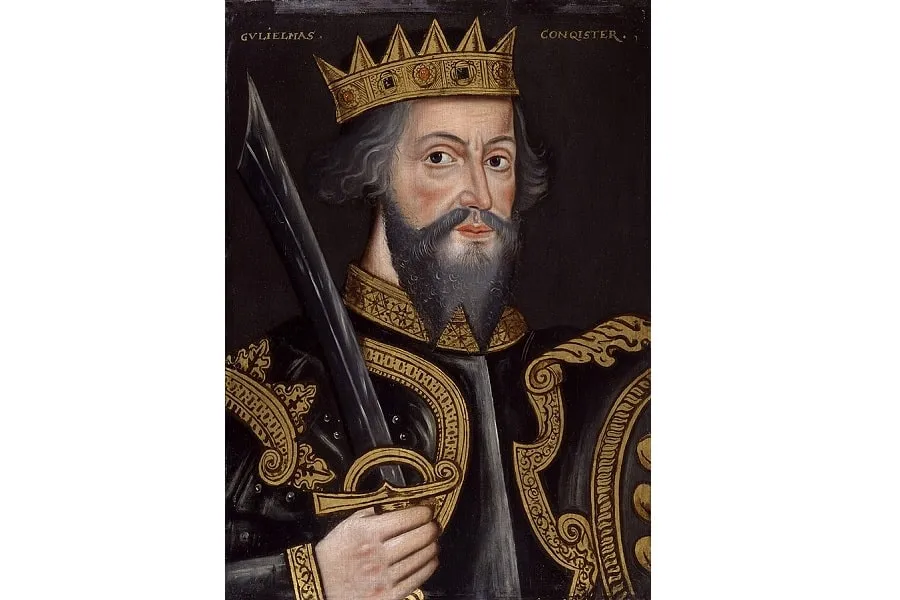 Photo: William the Conqueror, via hicoop.b-cdn.net
This pattern repeated across medieval Europe. Every major royal decision was accompanied by scholarly justifications written by court intellectuals who could be disavowed if the political winds changed. When Henry VIII broke with Rome, he employed teams of theologians to write treatises proving the religious necessity of his actions. When those arguments became politically inconvenient, Henry could claim he had simply been poorly advised by his scholars.
The beauty of the system was its flexibility. Royal policies could be defended by experts, criticized by different experts, and modified by still other experts, all without the king having to take personal responsibility for any specific position.
The American Experiment Didn't Change the Rules
The founding fathers created a republic specifically to avoid the problems of monarchical power, but they immediately recreated the same reputation management systems they had criticized in Britain. Every president has employed speechwriters, press secretaries, and communications directors whose job is crafting and defending the official narrative.
The role crystallized during the New Deal, when Franklin Roosevelt's administration created the modern White House communications apparatus. FDR's press secretary, Stephen Early, established the template that every subsequent administration has followed: daily briefings, official statements, and carefully managed access to information.
The genius of the system was that it allowed presidents to benefit from aggressive narrative management while maintaining the fiction that they were simply responding to events, not shaping how those events were perceived.
Why the Job Never Goes Away
Every generation of critics announces that this time will be different. Social media would eliminate spin doctors by letting politicians speak directly to the public. Fact-checkers would hold leaders accountable for their statements. Investigative journalism would expose the gap between public relations and reality.
But the fundamental dynamic never changes because it's rooted in human psychology, not technology. Effective leadership requires maintaining authority and credibility. Direct personal involvement in reputation management undermines both.
When leaders defend themselves, they look defensive. When they attack critics, they look petty. When they admit mistakes, they look weak. But when someone else does all of these things on their behalf, leaders can maintain the appearance of being above the fray while still benefiting from aggressive advocacy.
Modern politicians didn't invent this dynamic; they inherited it from five thousand years of human power structures. The press secretary standing at the White House podium, deflecting questions and spinning controversies, is performing exactly the same function as the court scribes who turned Ramesses II's military disasters into glorious victories.
The Eternal Middleman
The most successful reputation managers throughout history have understood that their job security depends on their expendability. They must be competent enough to effectively serve power but disposable enough to be sacrificed when necessary.
This creates a strange professional category: people whose career success is measured by their willingness to absorb blame for decisions they didn't make, defend positions they might not believe, and accept responsibility for outcomes they couldn't control.
It's a job that has existed in every civilization, survived every political system, and adapted to every new communication technology. Because as long as humans organize into hierarchies, the people at the top will need someone else to handle the dirty work of explaining why they deserve to stay there.
The next time you watch a press secretary deflect questions or a spokesperson issue a non-denial denial, remember: you're not witnessing modern political theater. You're watching the continuation of humanity's second-oldest profession, performed by people who understand that power's greatest strength has always been its ability to make someone else take the blame.