Zuckerberg Didn't Invent the Bubble: Cities Have Been Sorting People Since Before Roads Had Names
Zuckerberg Didn't Invent the Bubble: Cities Have Been Sorting People Since Before Roads Had Names
Every few years, someone publishes a study confirming that social media algorithms push people into echo chambers — that you're mostly seeing content from people who already agree with you, live like you, and earn roughly what you earn. The findings land with a kind of horrified surprise, as if we've discovered something uniquely dangerous about the digital age.
We haven't. We've just given the oldest human engineering project a new interface.
For as long as people have built cities, someone with power has been deciding who lives next to whom, who shops where, and who gets to share physical space with whom. The algorithm has always existed. It used to be made of stone.
Rome Didn't Accidentally Build a Class System — It Designed One
Ancient Rome is often held up as a model of cosmopolitan complexity — a city of a million people, dozens of languages, every corner of the known world represented. And that's technically true. But cosmopolitan doesn't mean mixed. Rome was a city of extremely deliberate geographic sorting.
The Aventine Hill, the Palatine Hill, and the Subura weren't just different neighborhoods the way Brooklyn and the Upper East Side are different neighborhoods. They were functionally different social universes, and the city's physical design made sure they stayed that way. Wealthy Romans built their insulae — apartment blocks — around internal courtyards that faced inward, away from the street and away from the people on it. The poor lived in the street-facing rooms on upper floors, literally stacked above the commerce and chaos below. The architecture wasn't incidental. It was sorting infrastructure.
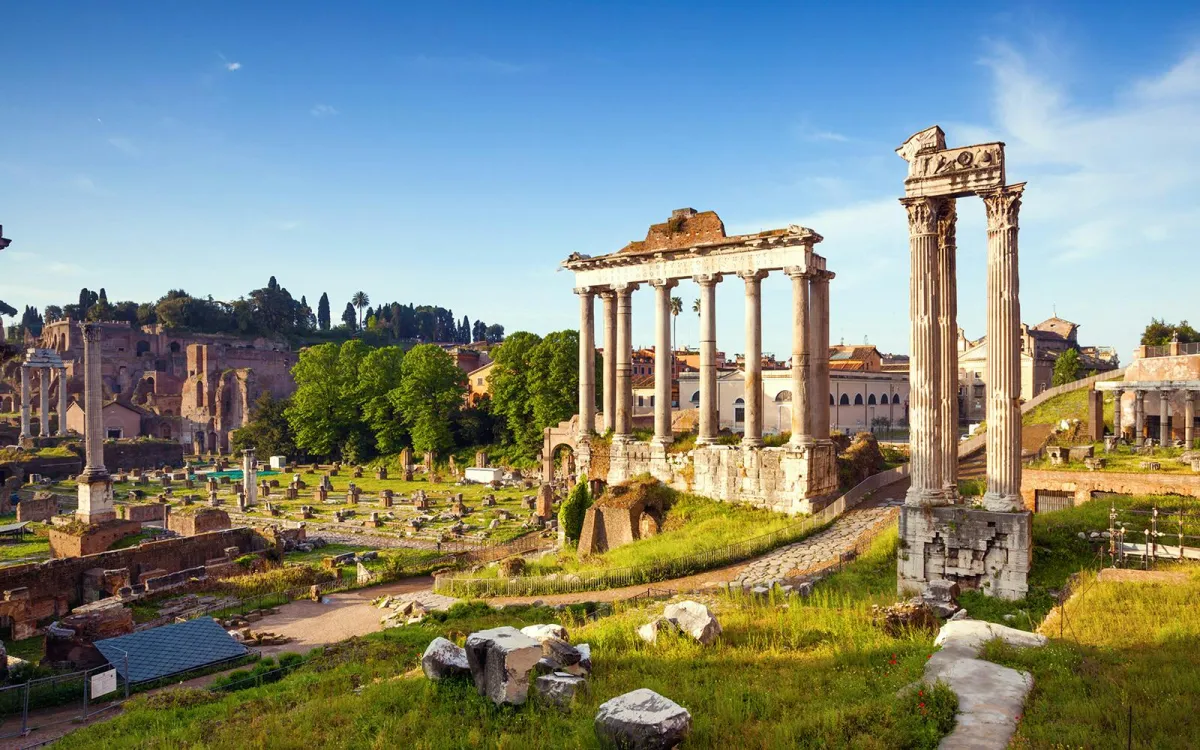 Photo: Palatine Hill, via cdn-imgix.headout.com
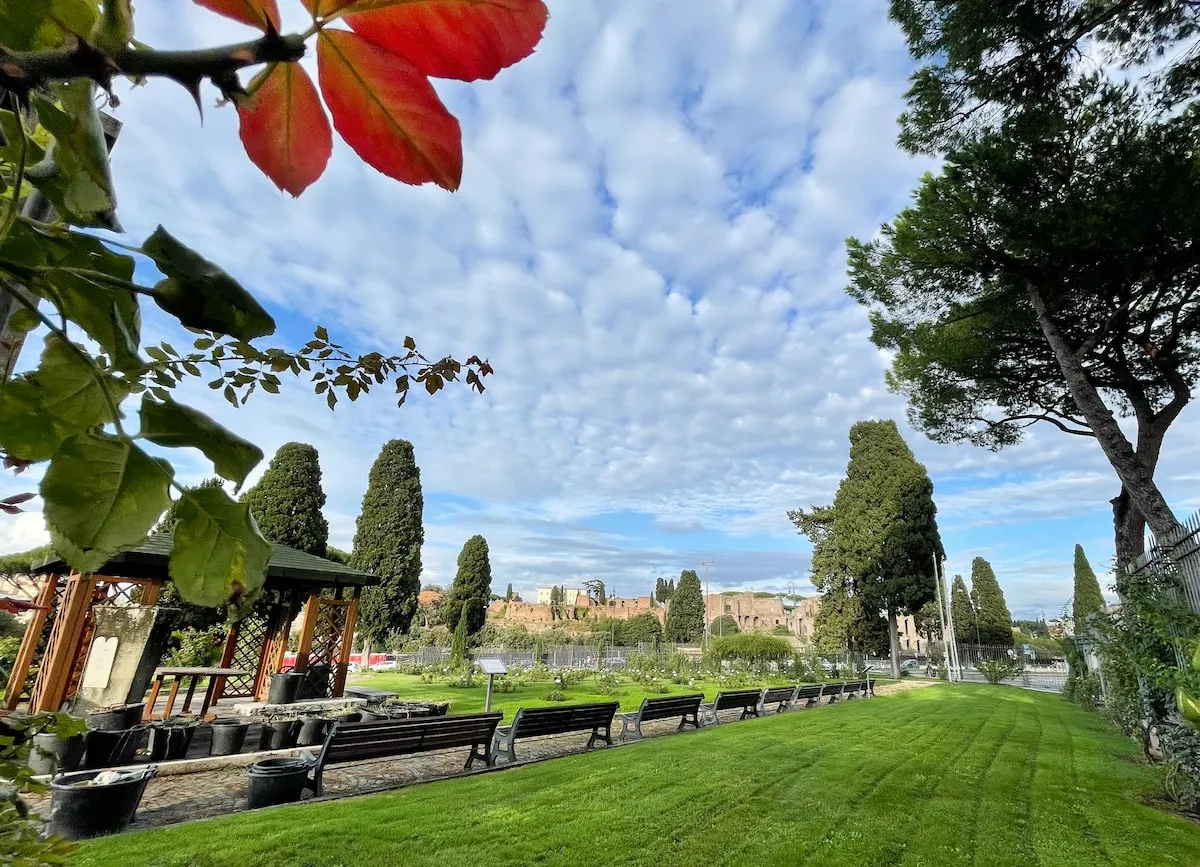 Photo: Aventine Hill, via www.museos.com
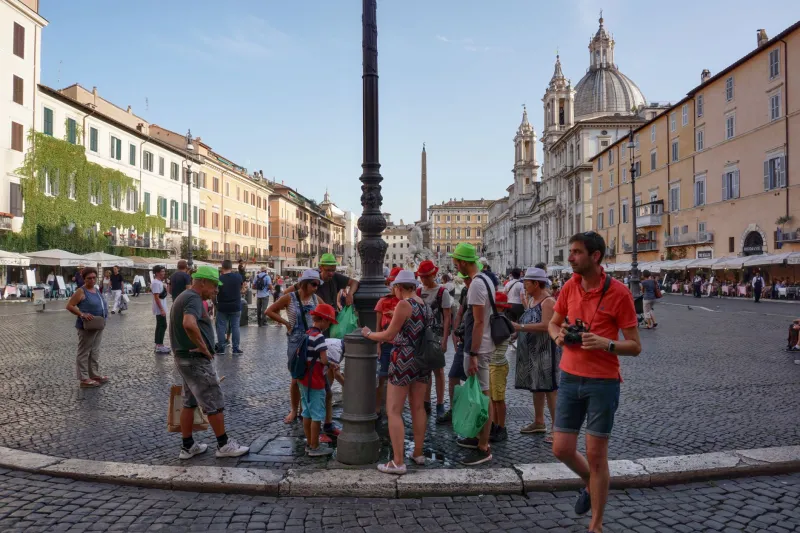
The Forum itself was zoned. Money changers clustered near the Temple of Saturn. Booksellers occupied the Argiletum. Specific trades occupied specific streets so reliably that street names became trade names. You didn't wander into the wrong professional conversation in Rome because the city made wandering structurally difficult.
The Medieval Guild Quarter Was the Original Filter Bubble
If Rome built class sorting into its hills and apartment blocks, medieval European cities took the logic further and made it explicit policy. Guild systems didn't just regulate who could practice a trade — they regulated where practitioners could live, where they could sell, and who they could socialize with after work.
In medieval London, the goldsmiths clustered in Cheapside. The fishmongers had Fish Street. The tanners, whose work smelled catastrophic, were pushed to the city's edges — not just for sanitation reasons, but because proximity to certain trades marked your social standing. To live among tanners was to be a tanner, economically and socially. To live among goldsmiths was to be adjacent to wealth, which carried its own value.
This wasn't accidental urban sprawl. Guild halls functioned as social headquarters — places where information circulated, marriages were arranged, apprenticeships were brokered, and outsiders were quietly excluded. If you weren't in the guild, you weren't in the building. If you weren't in the building, you weren't in the conversation. The information environment of a medieval craftsman was almost entirely bounded by his professional neighborhood, because his professional neighborhood was almost entirely bounded by people exactly like him.
Sound familiar?
Marketplace Design as Social Engineering
Ancient marketplace design — in Rome, in the Ottoman Empire's bazaar system, in Chinese imperial market districts — was never just about efficient commerce. It was about managing contact between groups that rulers found it useful to keep separated.
In many Ottoman cities, the bazaar system physically organized merchants by religion and ethnicity in ways that reduced friction but also reduced integration. Jewish merchants in one quarter, Armenian merchants in another, Greek merchants in a third. The logic was partly about trust networks — you knew who you were dealing with — and partly about control. When you know exactly where each group is, you know exactly where to apply pressure if something goes wrong.
The same logic shows up in colonial American cities, where Black residents were systematically pushed to specific neighborhoods through a combination of legal restriction, economic exclusion, and physical design — a pattern that hardened into the redlining policies of the 20th century. The technology changed from guild charters to mortgage denial letters, but the sorting function was identical.
The Need to Engineer Belonging Isn't Going Away
Here's where the history gets uncomfortable, because it cuts in two directions at once.
On one hand, the deliberate sorting of human beings into like-minded clusters has almost always served the interests of whoever controls the sorting mechanism — not the people being sorted. Ancient Roman landlords, medieval guild masters, Ottoman administrators, and 20th-century bank loan officers all benefited from keeping groups separated and identifiable. The people inside the bubbles mostly just thought they were living in their neighborhood.
On the other hand, there's something genuinely human about seeking out people like yourself. The psychological research — yes, including the studies on bored college students — consistently shows that humans find same-group contact less cognitively taxing and more emotionally rewarding in the short term. We cluster because clustering feels safe. Every ancient city planner who designed a trade quarter was, at some level, working with the grain of human psychology rather than against it.
The problem has never been that people prefer familiar company. The problem is what happens when someone else controls the preference — when the algorithm, whether it's made of cobblestones or code, is optimized for the system's stability rather than the individual's actual interests.
The Interface Changed. The Architecture Didn't.
Facebook's News Feed, Twitter's recommendation engine, TikTok's For You page — these are genuinely new technologies. But the social function they perform is roughly as old as the first walled city. Someone decided who you'd encounter. Someone decided what information would reach you and from whom. Someone decided, based on what you'd already demonstrated you were, what more of the same to send your way.
The difference is scale and speed, not intent. A medieval guild quarter might keep a craftsman in his information bubble for a lifetime. A modern algorithm can do it in an afternoon and update the bubble in real time.
Five thousand years of human cities tell us a few things clearly: the bubble has always been the default, not the exception. It has almost always been constructed by someone who benefits from the construction. And the people inside it have almost always believed they just happened to end up there.
We're still inside it. We just call it a feed now.