Renting a Crowd Is the Oldest Political Technology We Have
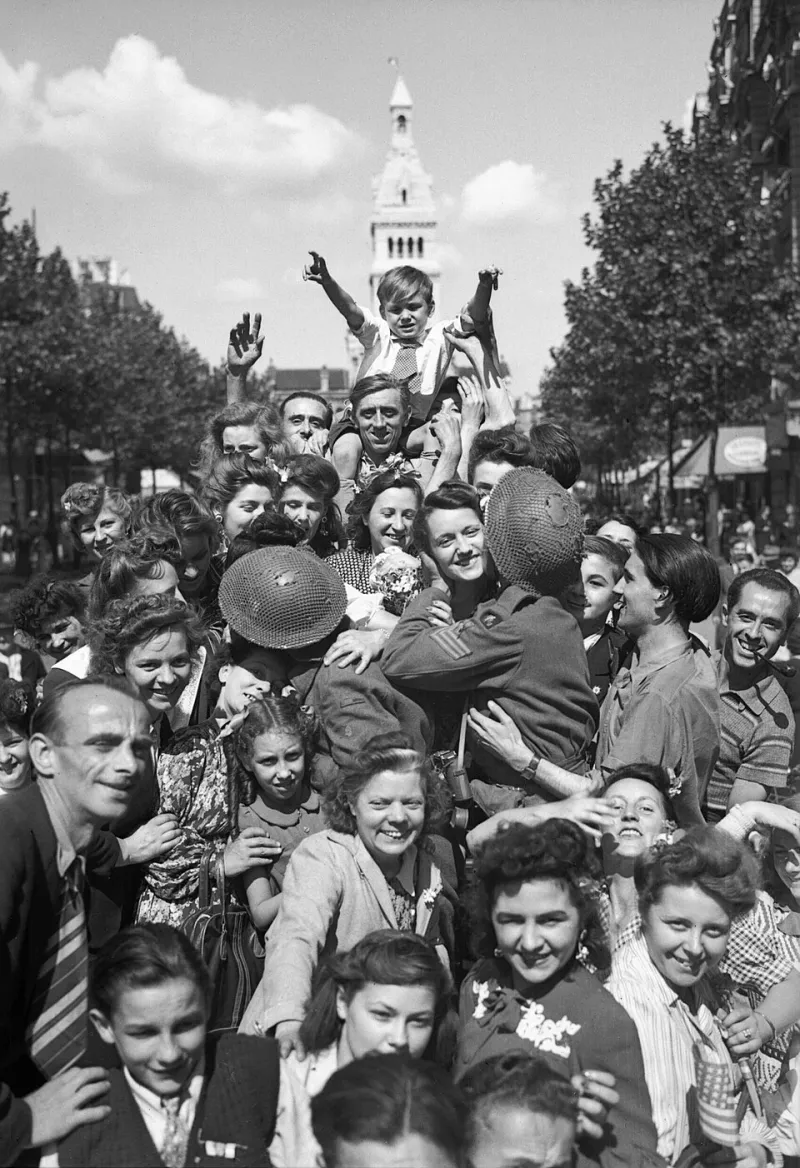
Photo: Malindine E G (Capt), No 5 Army Film & Photographic Unit, Public domain, via Wikimedia Commons
Somewhere right now, a political consultant is explaining to a candidate that optics matter. That a half-empty room sends a message. That enthusiasm is contagious, and the appearance of enthusiasm is almost as good as the real thing. The candidate nods. This feels like modern strategic wisdom.
It is approximately three thousand years old.
Egypt's Enthusiastic Subjects (Who Were Paid to Be There)
Pharaonic Egypt understood something about crowds that most modern commentators treat as a recent discovery: people do not evaluate popular support by polling. They evaluate it by watching other people.
When Ramesses II returned from military campaigns — including Kadesh, a battle Egypt arguably did not win but absolutely claimed to have — the reception staged for his return to Thebes was not left to organic enthusiasm. Temple records and administrative papyri suggest that crowd management was a logistical operation, with specific populations summoned from surrounding areas, provisioned for the day, and positioned along processional routes. The cheering was real. The spontaneity was not.
This wasn't cynical deception in the way we'd frame it now. It was closer to theater in a culture that understood theater as a form of truth-making. The ritual created the reality it depicted. But the practical effect was identical to what a modern campaign operative would recognize immediately: the pharaoh arrived home to visible, audible mass enthusiasm, and anyone watching absorbed that enthusiasm as data.
Your brain, confronted with a crowd of people cheering, does not ask whether those people were summoned and provisioned. It just updates its model of how popular this person is.
Rome's Professional Applause Industry
The Romans turned this intuition into an actual market, which is very Roman of them.
By the late Republic, Roman political and theatrical culture had developed a professional class called claques — organized groups of people paid to applaud, cheer, or demonstrate support at public events. Politicians hired them for speeches. Actors hired them for performances. The emperor Nero, according to Suetonius, was so committed to the concept that he reportedly had thousands of soldiers trained in specific styles of applause — the bombus (a hollow, droning sound), the imbrices (a slapping rhythm meant to evoke rain on roof tiles), and the testae (a sharp, cracking sound). He wanted not just volume but quality of manufactured enthusiasm.
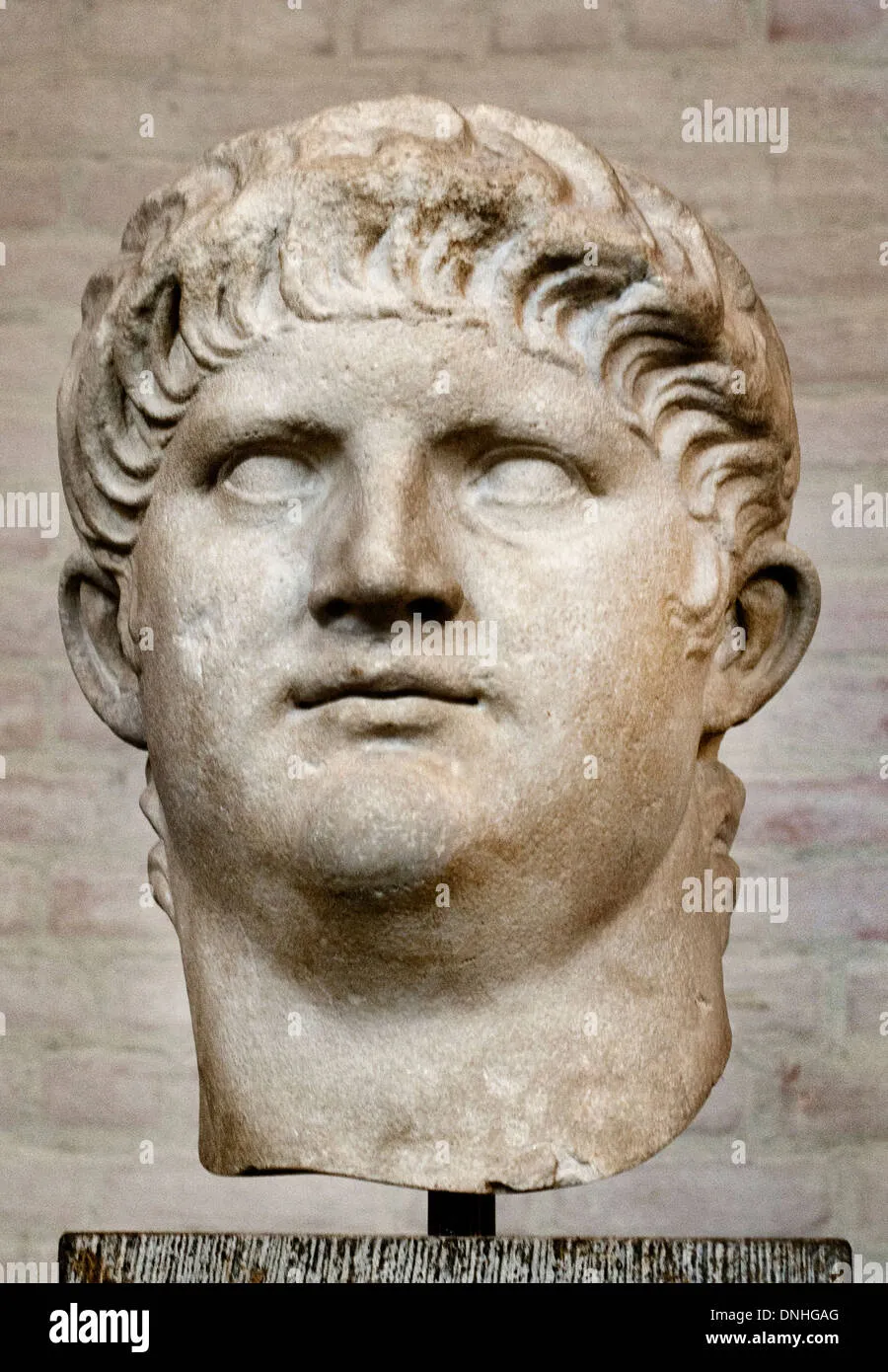 Photo: Nero, via c8.alamy.com
The Roman audience knew, on some level, that professional applauders existed. The practice was documented, discussed, and occasionally mocked in Roman writing. And it kept working anyway. Knowing that crowd enthusiasm can be manufactured does not make your brain stop treating crowd enthusiasm as evidence of something real. This is the durable genius of the technology: the defense against it and the vulnerability to it exist in the same head simultaneously.
Senators who wanted to gauge actual public opinion had to do it in spaces where the claques weren't operating — informal conversations, tavern talk, the actual grain lines. The official public spaces had been colonized by performance.
Medieval Guilds and the Spontaneous Demonstration
The Middle Ages produced a variation on the theme that's worth examining because it shows the technology adapting to new institutional contexts.
European craft guilds, particularly in the larger trading cities of Italy, Flanders, and the German states, periodically needed to demonstrate public support for their political positions — whether opposing a new tax, supporting a particular faction in a city council dispute, or resisting encroachment from a competing guild or noble family.
The demonstrations they organized were described in contemporary accounts as spontaneous outpourings of popular sentiment. Guild records tell a different story. Mobilization was coordinated through the guild hierarchy, participation was expected of members and their households, and the timing and route of demonstrations were negotiated in advance with sympathetic city officials. The spontaneity was the product, carefully manufactured and delivered on schedule.
What's interesting is how this differs from the Egyptian and Roman versions. The guilds weren't just renting bodies for visual effect. They were also signaling to their own members what the official position was and enforcing collective identity through shared physical participation. The manufactured crowd served an internal political function as well as an external one. Modern political rallies do exactly the same thing.
Why the Brain Keeps Falling For It
There's a reason this technology has been continuously reinvented across cultures that had no contact with each other. It's not because rulers are clever, though some were. It's because of something deep and largely automatic in human social cognition.
Humans are intensely social animals who evolved in environments where tracking group consensus was genuinely survival-relevant. If everyone around you is running, you should probably run. If everyone around you is enthusiastically endorsing something, that enthusiasm is real information about the social landscape, even if you're skeptical of the specific claim being endorsed.
Psychologists call related phenomena social proof and herding behavior. The labels are modern. The underlying wiring is ancient. When you see a crowd of people cheering, your nervous system treats that as evidence before your conscious mind gets a chance to ask questions about sample bias and financial incentives.
Ancient rulers didn't have the vocabulary of behavioral economics. They had something better: direct, multigenerational observation of how people actually behave. They ran the experiment on live populations and kept the results.
The Technology Doesn't Change, Just the Platform
Botfarms generating fake social media engagement, companies buying App Store reviews, political campaigns flooding online comment sections, corporations hiring firms to manufacture grassroots advocacy movements (a practice so common it has its own term, astroturfing) — these are all the same product in new packaging.
The specific delivery mechanism is different. The psychological mechanism being exploited is identical to what Ramesses II's logistics officers were working with in 1274 BC.
What's particularly striking about the historical record is that exposure rarely kills the technology. Romans knew about the claques. Medieval city-dwellers understood that guild demonstrations were organized. Modern Americans are broadly aware that online engagement can be manufactured. The awareness doesn't seem to significantly reduce the effect. The brain keeps treating visible crowd size as genuine evidence, because the brain evolved in a world where it usually was.
The paid crowd is three thousand years old and has never had a bad quarter. The oldest political technology we have is also, still, one of the most reliable.