Making Them Wait: How Ancient Kings Invented Every Modern Scarcity Game
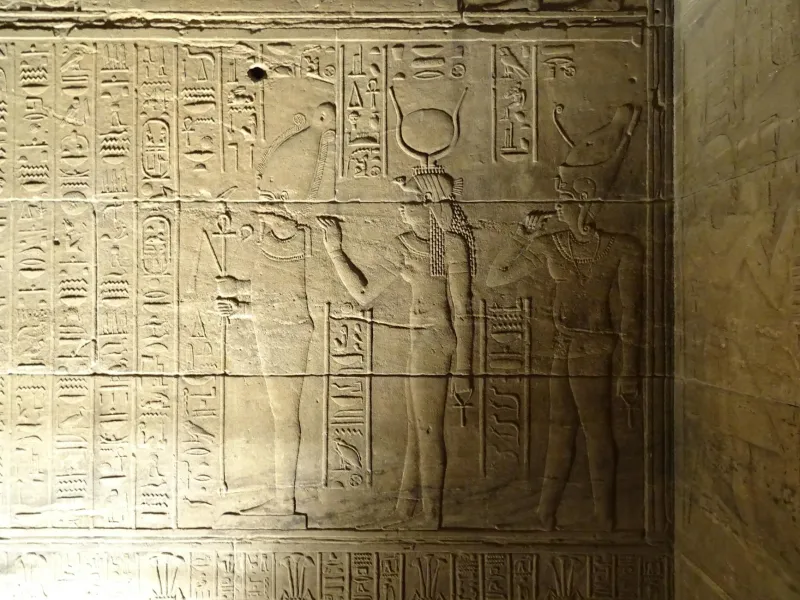
In 1550 BC, if you wanted grain from Pharaoh Thutmose III's royal warehouses during a bad harvest, you didn't just show up with silver and make a purchase. You submitted a formal petition, waited for bureaucratic review, then joined a queue that could stretch for weeks. The warehouses were full — but making supplicants wait wasn't about logistics. It was about power.
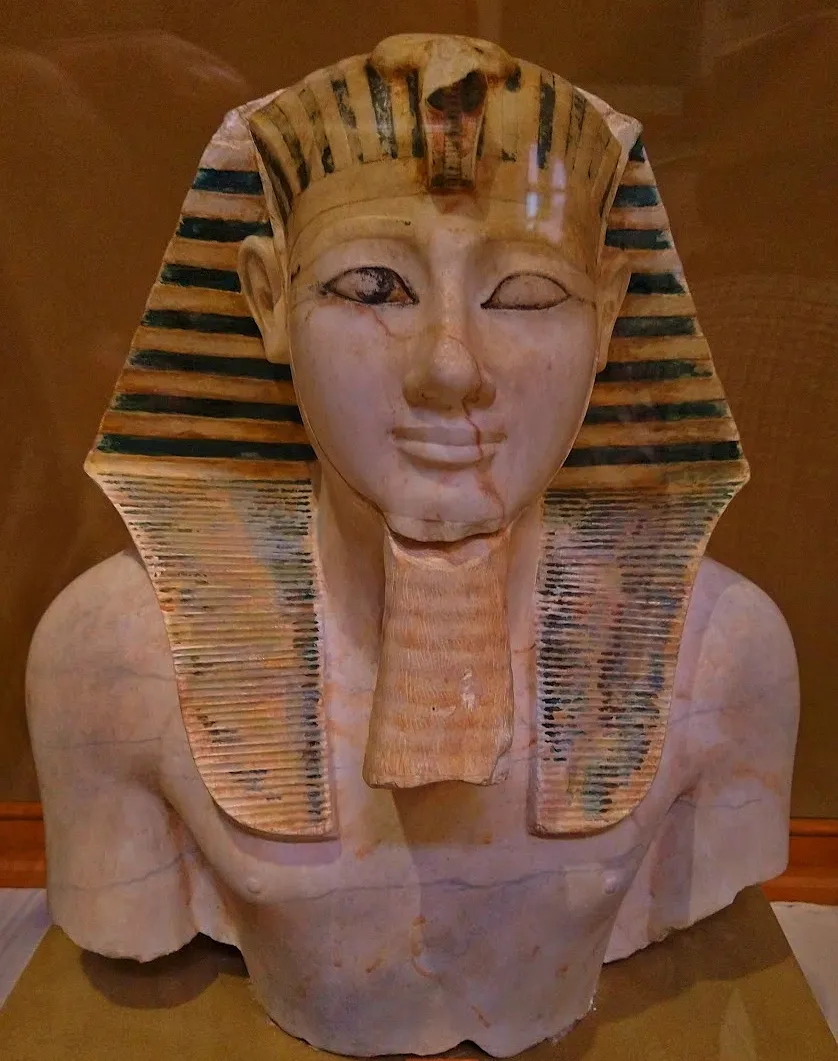 Photo: Thutmose III, via leonmauldin.blog
Every time you refresh that waitlist email for the new iPhone or check your position in line for concert tickets, you're participating in a psychological game that's older than written history. The artificial scarcity economy didn't start with Supreme drops or Hermès Birkin bags. It started the moment someone figured out that controlling access to something people wanted was more valuable than the thing itself.
The Original Velvet Rope
Ancient Egyptian tomb paintings don't just show pharaohs surrounded by gold and servants — they show lines of people waiting for audiences, organized by status and purpose. Palace records from the New Kingdom describe elaborate systems for managing access to the pharaoh, complete with waiting periods calibrated to reinforce hierarchy.
Nobility waited days. Merchants waited weeks. Commoners waited months, if they were granted an audience at all.
This wasn't inefficiency — it was engineered psychology. The longer someone waited, the more grateful they felt when finally admitted. The more exclusive the access, the more valuable it seemed. Egyptian administrative texts explicitly discuss using wait times as "demonstrations of royal prerogative" and "reminders of proper social order."
Sound familiar? Every exclusive restaurant in Manhattan is running the same playbook, just with reservations instead of royal audiences.
When Scarcity Becomes Currency
The Venetians turned artificial scarcity into an art form. By 1450, Murano glassmakers had perfected techniques for creating impossibly intricate glassware — but instead of ramping up production to meet demand, they deliberately limited output. Guild records show they could have produced ten times more glass, but chose to maintain waiting lists that stretched across Europe.
Why? Because scarcity created mystique. A Venetian goblet wasn't just functional — it was proof you had the connections and patience to acquire something most people couldn't. The waiting list became part of the product's value proposition.
Chinese porcelain manufacturers did the same thing during the Ming Dynasty. Imperial workshops could produce thousands of pieces, but court records show they deliberately bottlenecked production to maintain "appropriate exclusivity for imperial gifts." Foreign ambassadors waited years for custom pieces, not because production was difficult, but because making them wait reinforced China's position as the cultural center of the known world.
The Psychology of Manufactured Desire
Here's what ancient rulers understood that modern psychologists have confirmed: scarcity triggers loss aversion. When something is hard to get, we don't just want it more — we fear missing out on it. The waiting list transforms desire into anxiety, and anxiety into obsession.
Roman senator Pliny the Younger wrote extensively about dinner party invitations in the first century AD. The most coveted hosts didn't just throw better parties — they threw fewer of them. Pliny describes waiting months for invitations to certain salons, not because the hosts were busy, but because exclusivity was the entire point.
"Scarcity of access creates abundance of desire," he wrote. "What is freely given is freely forgotten."
Medieval European courts institutionalized this principle. Kings didn't just grant audiences — they created elaborate waiting hierarchies that could keep petitioners in limbo for seasons. Court records from Versailles show Louis XIV's daily schedule included specific time blocks for "managing supplicant expectations" — essentially, deciding who would wait how long for what purpose.
The Waiting List as Social Control
But artificial scarcity isn't just about creating desire — it's about demonstrating power. When you control access to something people want, you control the people who want it. Every person on your waiting list is implicitly acknowledging your authority to grant or deny their request.
Ancient Mesopotamian temple records show priests managing elaborate queues for religious ceremonies, not because the temples couldn't accommodate more worshippers, but because making people wait reinforced the priests' role as intermediaries between humans and gods. The longer the wait, the more desperate the supplication, the more valuable the priest's eventual intervention seemed.
Japanese court culture perfected this during the Heian period (794-1185). Access to the emperor wasn't just restricted — it was choreographed. Courtiers spent years learning the proper protocols for requesting audiences, then months waiting for responses, then more months waiting for the actual meetings. The entire system was designed to make proximity to power feel impossibly precious.
Modern Scarcity Theater
Every modern scarcity play follows the same ancient script. Apple doesn't need to create iPhone shortages — they have the manufacturing capacity to meet demand. But shortages create anticipation, anticipation creates buzz, and buzz creates the impression that everyone wants what you're selling.
Exclusive restaurants don't need three-month reservation lead times — they could seat more tables or expand their hours. But accessibility would destroy the mystique. The reservation itself becomes part of the dining experience, proof that you're sophisticated enough to plan ahead and connected enough to get a table.
Supreme doesn't need to limit drops to a few hundred pieces — they could scale production to meet demand. But mass availability would eliminate the streetwear credibility that drives the entire brand. The scarcity is the product.
Why We Keep Falling for It
The remarkable thing about artificial scarcity is how transparent it is, and how little that transparency matters. We know the waiting list is manufactured. We know the shortage is deliberate. We know we're being manipulated.
And we line up anyway.
That's because the psychology behind scarcity runs deeper than rational analysis. When something is hard to get, acquiring it becomes a form of social signaling. The Birkin bag isn't just a purse — it's proof you have the wealth and connections to get one. The exclusive restaurant reservation isn't just dinner — it's evidence you're plugged into the right social networks.
Ancient Egyptian nobles understood this. Roman senators understood this. Medieval courtiers understood this. They weren't buying products — they were buying membership in exclusive clubs, and the membership fee was patience.
The Eternal Queue
Five thousand years of human history suggest we'll never solve the artificial scarcity problem because we don't actually want to solve it. The waiting list serves a psychological function that abundance can't replicate. It creates hierarchy, generates desire, and provides social proof that what we're pursuing is worth pursuing.
Every civilization has invented its own version of the velvet rope, and every civilization has produced people willing to wait behind it. The technology changes — from royal audiences to restaurant reservations to sneaker drops — but the underlying human psychology remains identical.
We don't want what everyone else can have. We want what everyone else wants but can't get. And as long as that's true, there will always be someone ready to make us wait for it.