Paying for Promises: When Taking Money for Things That Don't Exist Was Just Good Business
The Original Crowdfunding Campaign
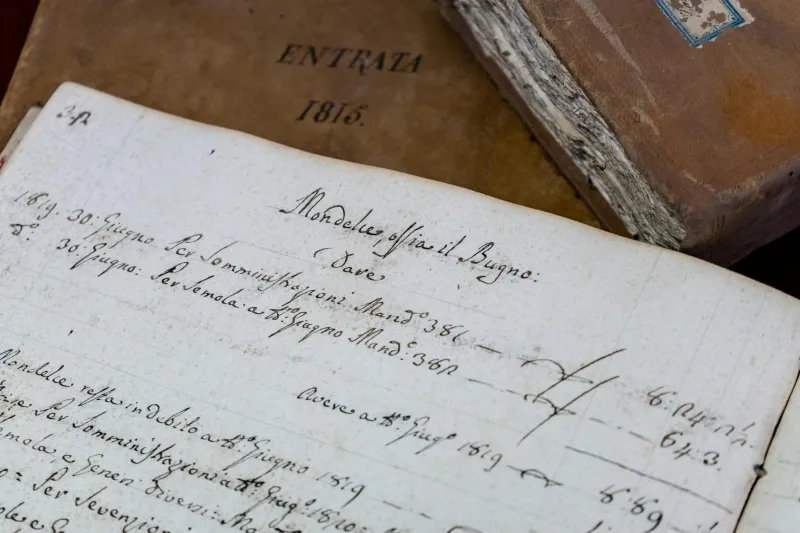
In 1713, Alexander Pope needed money to translate Homer's Iliad. Rather than wait for a publisher to take the risk, Pope did something revolutionary: he asked readers to pay him upfront. For six guineas — about $800 today — subscribers would receive the finished translation when Pope completed it. No guarantees on timing. No refund policy. Just faith in a poet's promise.
 Photo: Homer's Iliad, via cdn.vectorstock.com
 Photo: Alexander Pope, via www.bimbicreativi.it
It worked spectacularly. Pope collected enough advance payments to become financially independent, and he actually delivered the books. But Pope was the exception. For every success story, subscription publishing created dozens of disappointed patrons who paid for books that arrived years late, arrived incomplete, or never arrived at all.
Sound familiar?
The Psychology Never Changed
The human brain that convinced an 18th-century gentleman to prepay for Pope's translation is the same brain that backs a Kickstarter campaign for a revolutionary phone charger. We're hardwired to invest in potential, to buy the story before the product exists. The subscription model exploited this perfectly.
Samuel Johnson, the famous dictionary writer, spent years collecting advance payments for various literary projects. Some subscribers waited decades for promised works. Others died before their books arrived. Johnson wasn't running a scam — he was genuinely trying to deliver — but the gap between promise and product created the same frustration cycle we see today when a crowdfunded gadget ships three years late with half the promised features.
 Photo: Samuel Johnson, via i.pinimg.com
The emotional transaction was identical: excitement about supporting something new, followed by mounting anxiety as deadlines passed, ending in either relief when the product finally arrived or resignation when it became clear it never would.
Why Creators Keep Failing
Eighteenth-century authors faced the same trap that catches modern crowdfunding campaigns. Taking money upfront feels like solving the financial problem, but it actually creates a different, harder problem: you now owe specific people specific things on specific timelines.
Pope succeeded because he was already an established poet with a clear project and realistic timeline. But lesser-known writers routinely overcommitted. They'd promise subscribers elaborate multi-volume works, then discover that writing while under financial obligation to hundreds of people was paralyzing. The pressure to deliver something worthy of the advance payment often made the creative work harder, not easier.
Modern crowdfunding campaigns fail for identical psychological reasons. Taking $100,000 from strangers feels like validation, but it transforms a passion project into a business obligation. The creator who was excited to build a better mousetrap suddenly has 2,000 people expecting updates, timelines, and professional-grade customer service.
The Patron's Gamble
Subscription publishing revealed something crucial about human nature: we'll pay for potential even when the odds are terrible. Eighteenth-century book subscribers knew they might never see their money again. The subscription lists were public, so everyone could see how many other projects had failed to deliver. But people kept subscribing anyway.
Why? Because the upside felt infinite. Supporting a work before it existed meant becoming part of its creation story. Subscribers got their names printed in the front matter — the 1700s equivalent of getting your username in the game credits. They were buying status as much as books.
This explains why Kickstarter backers continue funding projects despite the platform's mixed track record. The rational calculation isn't about return on investment; it's about participating in something that might become important. We're not buying products; we're buying lottery tickets for cultural significance.
When the System Worked
Subscription publishing wasn't inherently broken. It worked when creators understood what they were really selling: not just books, but relationships with their audience. The successful subscription authors treated their patrons like partners, sending regular updates and acknowledging their support publicly.
Pope's Iliad translation succeeded because he managed expectations brilliantly. He was transparent about his timeline, honest about challenges, and delivered exactly what he promised. His subscribers felt like they were supporting an important cultural project, not just prepaying for a commodity.
The crowdfunding campaigns that work today follow the same formula. They're transparent about risks, realistic about timelines, and treat backers like collaborators rather than customers. The technology changed, but the human relationships that make advance funding work remained identical.
The Eternal Return
Every generation rediscovers the appeal of paying for promises. Subscription publishing gave way to magazine subscriptions, which gave way to software preorders, which gave way to crowdfunding platforms. Each time, we convince ourselves we've invented something new.
But the underlying transaction never changes: optimistic people with money meet ambitious people with ideas, and both sides hope for the best. Sometimes it works beautifully. Usually it works badly. Occasionally it doesn't work at all.
The lesson isn't that crowdfunding is doomed to repeat history's mistakes. It's that understanding those mistakes might help us make better decisions about which promises are worth paying for. Alexander Pope delivered his Iliad because he knew exactly what he was promising and had the skills to deliver it. Three hundred years later, that's still the only formula that works.