The Waiting List Is the Product
Photo: Snehrashmi, CC BY-SA 4.0, via Wikimedia Commons
Let's be honest about something. When you finally get the thing you've been waiting for, part of what you're paying for is the waiting itself. Not the object. Not the service. The anticipation, the exclusivity signal, the story you get to tell about how long it took. You know this, somewhere. And you keep signing up for the list anyway.
You are not the first person to do this. You are somewhere in a very long line of people stretching back to ancient Rome, all of whom understood, on some level, that the wait was manufactured — and wanted the thing more because of it.
Arretine Ware and the Original Inventory Problem That Wasn't
In the first century BC, the workshops around Arretium (modern Arezzo, in central Italy) produced the most coveted ceramic tableware in the Roman world. Arretine ware — smooth, coral-red, stamped with elegant relief designs — was the status dinnerware of its moment. Wealthy Romans wanted it for dinner parties. Provincial elites imported it to signal their connection to Roman taste. The demand was real and substantial.
What's interesting is what the production records and archaeological evidence suggest about supply. The Arretine workshops were large, sophisticated operations with significant slave labor forces, capable of producing enormous quantities. They were not artisanal boutiques constrained by hand-finishing bottlenecks. And yet the most recognizable, most prestigious lines remained persistently difficult to acquire.
Historians of Roman commerce have noted that this pattern — high production capacity, deliberately constrained availability of prestige items — looks less like a supply chain limitation and more like a strategy. The workshops that produced Arretine ware were run by businessmen, not hobbyists. They understood what they were doing. The scarcity was maintained because the scarcity was valuable.
Wealthy Roman buyers who finally acquired a complete service of the right Arretine pieces had a story to tell: I waited. I sought it out. I have the real thing. That story was part of what they'd purchased. And it was worth more to them, not less, because of the difficulty.
Renaissance Goldsmiths and the Cultivated Delay
Medieval and Renaissance craftsmen in luxury goods — goldsmiths, silversmiths, the makers of fine tapestries and embroidered textiles — operated in a commission-based economy where delivery timelines were entirely negotiable. And a fascinating pattern emerges in the surviving correspondence and guild records: the most prestigious craftsmen were almost never the fastest.
Benvenuto Cellini, the 16th-century Florentine goldsmith whose autobiography is one of the great documents of Renaissance ego, was notorious for missing deadlines. His patrons — including Pope Clement VII and King Francis I of France — complained constantly about delays. They kept commissioning him anyway. They paid more for the waiting, not less.
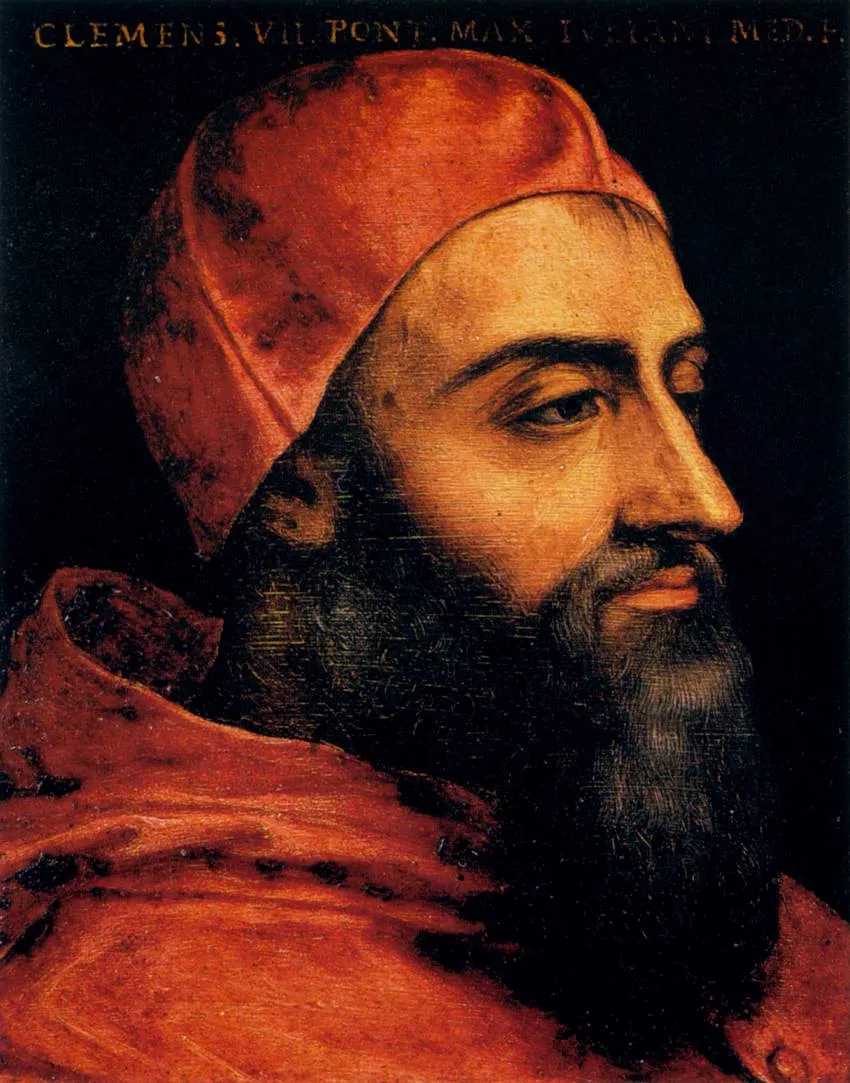 Photo: Pope Clement VII, via uploads5.wikiart.org
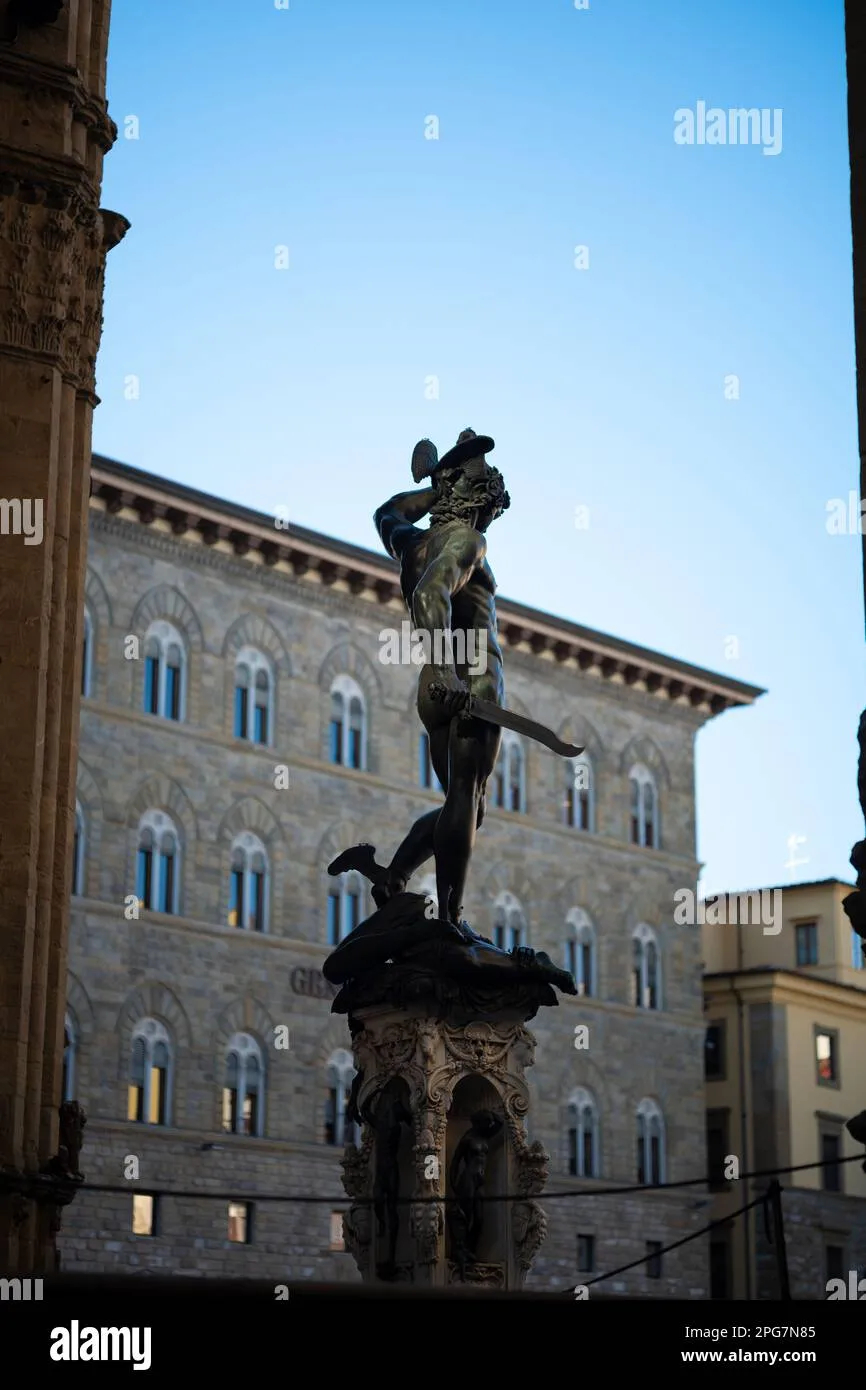 Photo: Benvenuto Cellini, via c8.alamy.com
Cellini understood something that his less famous contemporaries who delivered on time apparently did not: the wait communicated that you were dealing with someone whose work was worth waiting for. An artist who could fit you in immediately was an artist who had time available. An artist who made a king wait three years for a saltcellar was an artist whose work kings competed to possess.
The delay was not a failure of production. It was a feature of the product. The saltcellar arrived pre-loaded with the story of how long it had taken and who else had wanted it.
French Couture and the Industrialization of Anticipation
By the 19th century, the Parisian haute couture houses had turned this insight into something approaching a formal system. The seasonal collection, the fitting appointments, the deliberately extended production timeline — these weren't responses to the genuine complexity of made-to-measure garments, though that complexity was real. They were the architecture of desire.
A Worth gown or, later, a Chanel suit was not simply a garment. It was the product of a process that took months, required multiple visits, and concluded with a delivery that felt like an event. The customer was not just buying clothes. She was buying membership in an experience that was, by design, not available to everyone and not available immediately to anyone.
The couture houses understood that if you could walk in and walk out with the thing the same day, it would feel like something you bought. The months of waiting made it feel like something you received — a different psychological category entirely, with different implications for how you valued it and how you talked about it.
Silicon Valley Rediscovers Ancient Rome
The launch strategy that made the original iPhone feel like a cultural event, the GPU that's been out of stock since the day it was announced, the electric vehicle with a two-year delivery window — Silicon Valley has spent the past two decades enthusiastically reinventing techniques that Roman pottery merchants had operational 2,000 years ago.
The mechanics are updated. The psychology is identical.
When a consumer electronics company launches a product with supply constrained well below known demand, the wait becomes a news story. People camping outside stores, secondary market prices spiking, online forums dedicated to tracking inventory — all of this is free advertising that communicates one thing above everything else: this is something people want badly enough to wait for. The scarcity manufactures social proof. The social proof manufactures desire. The desire makes the eventual acquisition feel like an achievement.
You didn't just buy a phone. You got one. There's a difference, and it's worth money.
What You're Actually Buying
Here's the uncomfortable part. Knowing that a waiting list is often a manufactured psychological product doesn't make you immune to it. The research on this is pretty consistent: anticipated rewards activate reward circuitry in ways that sometimes exceed the reward of actually receiving the thing. The wait is not just a cost you pay to get the product. For many products, the wait is the primary experience being sold.
The Hermes Birkin bag has a waitlist that functions as a credential. The three-month reservation at the new restaurant is a story you tell before you ever eat there. The limited-edition sneaker you camped out for is worth more to you than an identical shoe you walked in and bought off a shelf — not because the shoes are different, but because the acquisition stories are different.
Ancient Roman tableware buyers, Renaissance nobles waiting on Cellini, Parisian couture clients, and Americans refreshing an online inventory tracker at 3 AM are all buying the same thing: the right to say they waited, and the implicit claim that what they waited for was worth it.
The waiting list has been a product for at least 2,500 years. The supply chain problem was never the point.