Work Till You Drop: The Ancient Reality That Never Actually Left
The Thirty-Year Vacation That Never Made Sense
Sometime in the 1950s, Americans convinced themselves they'd solved one of humanity's oldest problems: what to do with people too old to work. The solution was elegant—save money for thirty years, then spend thirty years not working. It was also completely unprecedented in human history.
Your great-grandfather probably worked until he died. So did his great-grandfather. So did everyone's great-grandfather, stretching back to the beginning of recorded time. The mid-twentieth-century American retirement model wasn't the natural evolution of human civilization—it was a brief, bizarre experiment that's already collapsing back into the historical norm.
Ancient Rome's Retirement Plan: Don't
Roman workers didn't retire; they aged out. Blacksmiths kept hammering until their arms gave out. Farmers kept planting until they couldn't bend over. Merchants kept trading until their minds went foggy. When they could no longer contribute, they depended on their children, their former slaves, or the charity of their communities.
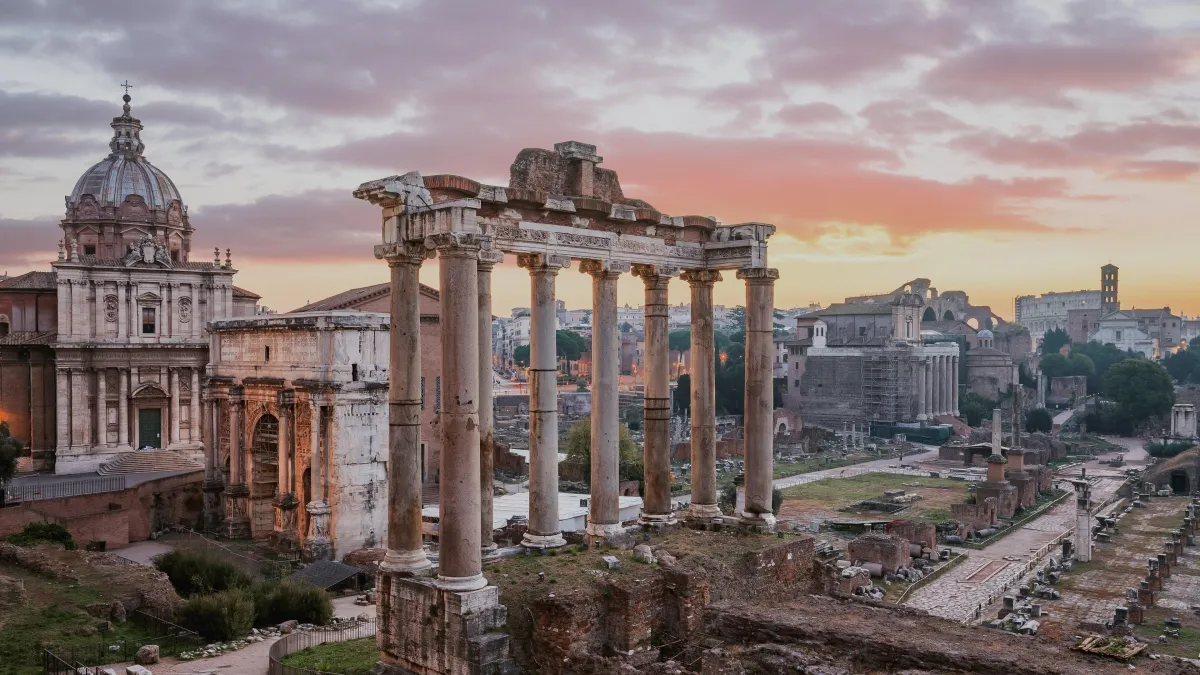 Photo: Ancient Rome, via wallpaperbat.com
This wasn't a failure of Roman economic planning—it was the only sustainable model for a pre-industrial society. Without massive productivity gains from fossil fuels and automation, there simply wasn't enough surplus wealth to support large populations of non-working adults. Everyone who could contribute had to contribute, or the whole system collapsed.
The few Romans wealthy enough to "retire" didn't stop working; they shifted to different kinds of work. Senators became writers. Generals became historians. Rich merchants became philosophers. They changed careers, but they never stopped producing value until death made the choice for them.
Medieval Monks and the First Pension Fund
The closest thing to retirement in medieval Europe happened in monasteries. Monks who'd served the church for decades could expect care in their old age, supported by the labor of younger brothers. But even this primitive pension system came with strings attached—you had to surrender your individual wealth, take vows of obedience, and spend your "retirement" praying for the souls of your benefactors.
Medieval craft guilds created the first secular support systems for aging workers, but these were insurance against disability, not funding for leisure. Guild members contributed to funds that would support craftsmen injured on the job or too old to work, but the support was minimal—enough to prevent starvation, not enough for comfort.
The guild model reveals the fundamental challenge that made retirement impossible for most of human history: without massive increases in worker productivity, supporting non-working adults meant taking resources away from working adults. Medieval societies could barely feed everyone who worked; supporting everyone who didn't work was mathematically impossible.
The Industrial Revolution's Accidental Discovery
Factory production changed the math. Suddenly, a small number of workers could produce enough goods to support much larger populations. For the first time in human history, societies could afford to support significant numbers of non-working adults without starving the workers.
But early industrial societies didn't immediately embrace retirement. Factory owners preferred to work employees until they died—it was cheaper than pensions. The first retirement systems were created by governments trying to remove older, less productive workers from the labor force to make room for younger, more efficient ones.
Otto von Bismarck introduced the world's first state pension system in 1889, setting the retirement age at 70. This wasn't generosity—it was workforce management. Most workers died before 70, so the system cost almost nothing while creating the illusion of social progress. The few who lived long enough to collect pensions were too old to cause political trouble.
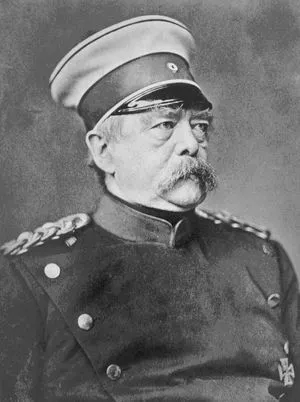 Photo: Otto von Bismarck, via cdn.britannica.com
The American Exception
Post-World War II America created the first society in human history where ordinary workers could realistically expect to stop working and maintain their standard of living. This required several historically unprecedented conditions: rapid economic growth, rising wages, employer-provided pensions, Social Security, and a demographic pyramid with far more workers than retirees.
The system worked brilliantly for about thirty years. Workers saved money in pensions and 401(k)s, Social Security provided a safety net, and housing appreciation created additional wealth. Retirement became not just possible but expected—a reward for decades of faithful service.
But the conditions that made American-style retirement possible were temporary. Economic growth slowed, wages stagnated, employers abandoned pensions, and the demographic pyramid inverted as baby boomers aged. The thirty-year retirement vacation turned out to be a brief historical anomaly, not a permanent feature of modern civilization.
The Return of Ancient Reality
Today's "retirement crisis" isn't a crisis—it's a return to historical normalcy. Most Americans can't afford to stop working because most humans throughout history couldn't afford to stop working. The difference is that we've convinced ourselves we should be able to afford it, creating psychological distress when economic reality reasserts itself.
Modern workers are rediscovering ancient strategies for dealing with aging: working longer, working differently, depending on family, and accepting lower standards of living in old age. The "encore career" is just the latest name for what Roman senators did when they became too old for politics but too poor to stop working entirely.
The gig economy, freelance consulting, and part-time work for seniors aren't innovations—they're returns to the historical norm where people gradually reduced their working capacity rather than stopping abruptly. Medieval craftsmen became advisors to younger workers; modern retirees become Uber drivers and retail clerks.
Why We Can't Go Back
The brief era of comfortable retirement for ordinary workers created expectations that are now impossible to meet but difficult to abandon. Americans spent sixty years building identities around the promise of eventual leisure, making it psychologically devastating to accept that most people will work until they die.
Politicians can't acknowledge this reality without admitting that the American Dream was always partially fraudulent. Financial advisors can't admit it without destroying their business model. Workers can't accept it without confronting the possibility that their savings will never be enough.
So we continue the fiction that retirement is a solvable problem rather than a historical aberration. We blame individuals for not saving enough, politicians for not protecting Social Security, and employers for abandoning pensions. We refuse to acknowledge that the real problem is demographic and economic reality reasserting itself after a brief holiday from human history.
The New Old Normal
The future of aging in America will look a lot like the past: most people working until they can't, then depending on family, charity, or minimal government support. The difference is that we'll call it "flexible retirement," "phased withdrawal from the workforce," or "active aging" instead of admitting we've returned to the ancient default.
This isn't necessarily tragic. Humans evolved to remain productive throughout their lives, and many people find purpose and satisfaction in continued work. The psychological trauma comes from expecting something different, not from the reality itself.
The Romans had a phrase for it: memento mori—remember you will die. They worked until they died because they understood that was the human condition. We might be happier if we remembered that the thirty-year vacation was the exception, not the rule.